


Foxes in the UK
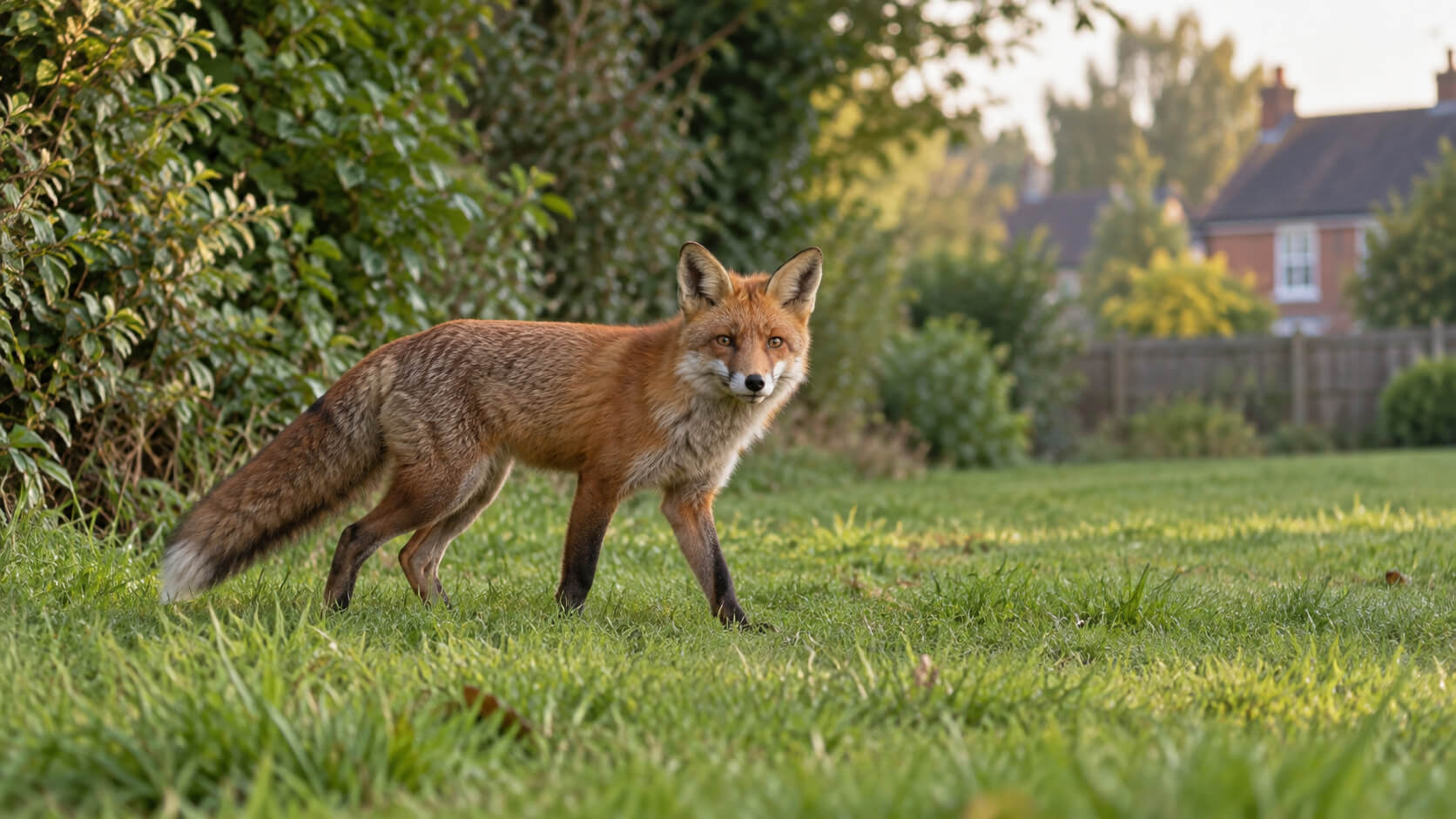
Foxes in the UK are red foxes (Vulpes vulpes), a highly adaptable species found in rural, suburban and urban habitats. They are mainly active around dusk, dawn and at night, although daytime sightings can be normal.
This guide explains where UK foxes live, how urban foxes behave, their typical lifespan and whether they pose a risk to people or dogs.
Fox Pest Control
- Same-day bookings available
- Flexible appointment times
- Humane deterrent treatment for fox activity in gardens
- Pay us by Card, PayPal, Google Pay, Apple Pay or Pay on-site



Who will come to my home?
A certified pest control technician from our vetted network, on the day and time you choose. You get a confirmation by email as soon as you book.
Is the treatment safe for children and pets?
Yes. Technicians use HSE-approved products and methods: tamper-resistant bait stations for rodents, and sprays or gels that are safe for children and pets once dry. You are told before the visit if a room needs to stay clear for a few hours.
What if the pests come back?
Follow-up visits are included where the treatment lists them, so if activity continues after the first visit, the next one is already covered at no extra charge. The price you see is the full price for the whole treatment cycle.
Do I need to prepare anything or be at home?
Someone needs to be at the property to let the technician in. Preparation is minimal and depends on the pest; the technician confirms anything needed by SMS and email after you book.
Do I pay now?
No. You see the price, then pick a date and time. Payment is only confirmed at checkout, and cancellation is free.
Is the £50 inspection fee deducted from the treatment?
Yes. If you are not sure what the pest is, you can book a £50 inspection visit. The technician identifies the pest and quotes the treatment on site, and if you go ahead the £50 is deducted from that treatment price.
Recently booked jobs


Fox Species and Habitat in the UK
Foxes in the UK are red foxes (Vulpes vulpes), an adaptable species capable of living in countryside, suburban and urban environments. Fox habitat varies because the species can use many different sources of food, cover and shelter.
Types of Foxes in the UK
The red fox is the wild fox species found across the UK. Despite the name, coat colour can vary, with grey, dark brown, black or silver individuals occasionally seen. These differences do not normally indicate a separate species; the familiar British fox is Vulpes vulpes.
Foxes belong to the Canidae family, alongside dogs and wolves, although their appearance and behaviour can differ considerably from domestic dogs.
Where Do Foxes Live in the UK?
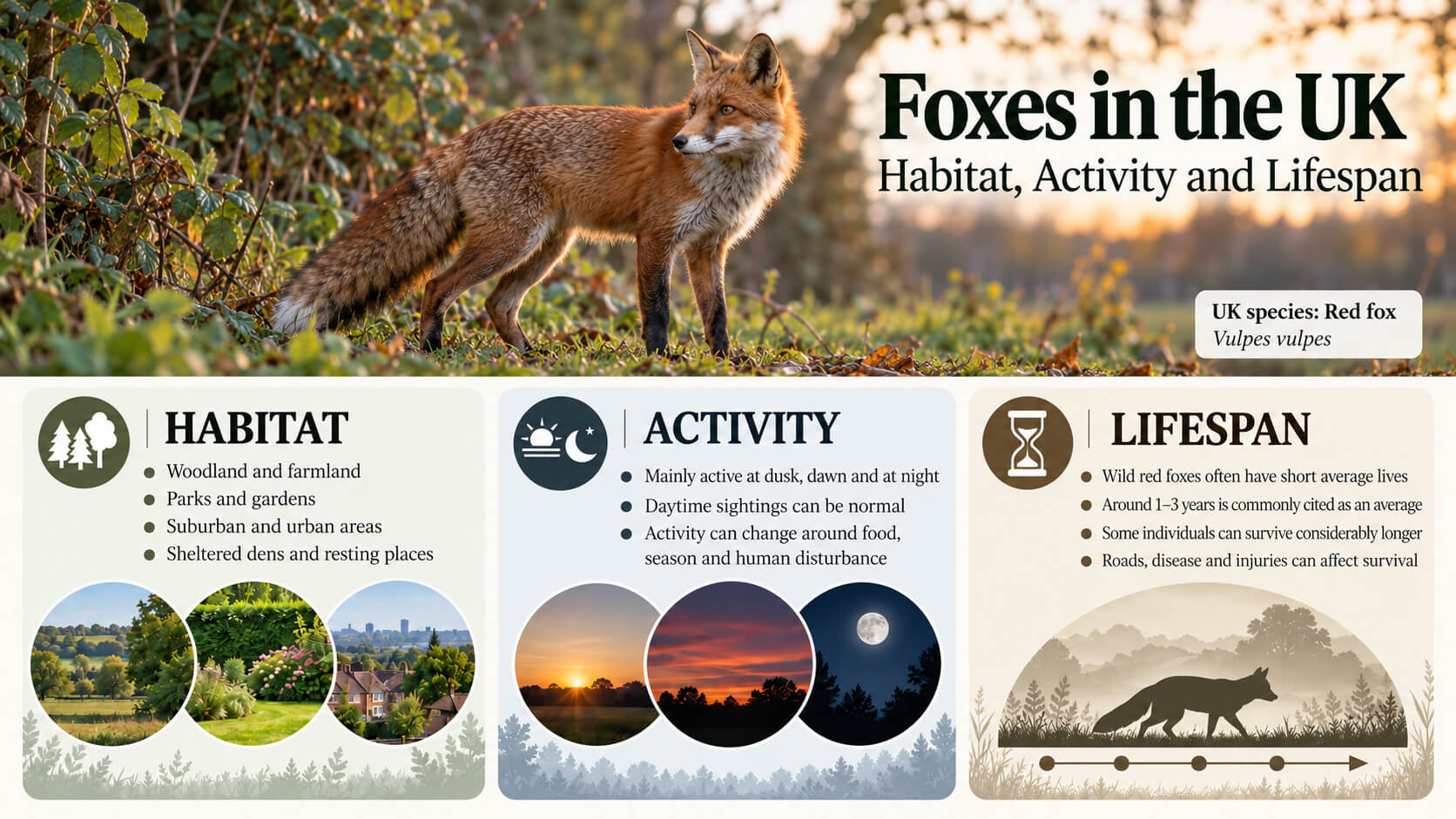
Foxes live in a wide range of habitats across the UK, including woodland, farmland, grassland, suburban neighbourhoods, parks, gardens and built-up urban areas.
Suitable fox habitat provides food and secure resting places. Foxes may dig underground dens, known as earths, use existing burrows or shelter beneath vegetation and structures. Tracks, scent marking and fox droppings can also provide evidence that foxes regularly use an area.
Urban Foxes in the UK
Urban foxes are the same red fox species as rural foxes. Urban fox behaviour has adapted to environments containing houses, gardens, roads, parks and other human-made features.
Gardens, allotments, railway corridors and spaces around buildings can provide shelter, food and movement routes. Food availability helps urban foxes live successfully near people; our guide to what foxes eat covers their natural diet, common prey and foods around human environments.
Are Foxes Nocturnal?
Foxes are mainly nocturnal, although they are also particularly active around dusk and dawn. This is why they are often described as both nocturnal and crepuscular. Season, food availability and disturbance can influence when a fox appears.
Foxes are also highly vocal. If activity around a property is first noticed because of screaming, barking or other noises after dark, our guide to fox sounds at night explains the main calls people hear.
What Time Do Foxes Come Out?
There is no single time when foxes come out each night. Many become more active as daylight fades, with another period of activity around dawn.
In quieter areas foxes may emerge earlier, while those around busy roads or heavily used gardens may wait until human activity decreases. They can alternate between moving, feeding and resting throughout the night.
Do Foxes Come Out in the Day?
Yes, seeing a fox during the day can be completely normal. Although foxes are mainly active at night, healthy animals may also travel, rest or search for food during daylight.
Daytime activity can become more noticeable during breeding and cub-rearing periods or when seasonal conditions change. For more detail on mating season, gestation, birth and cub development, see our guide to fox breeding. A daytime sighting alone is not evidence that a fox is sick or behaving abnormally.
How Long Do Foxes Live?
Wild foxes typically have relatively short average lives, with many surviving for around one to three years, although individual red foxes can live considerably longer.
Fox lifespan figures can describe either average lifespan or maximum lifespan, which are not the same. Road traffic, disease, injuries, food availability and other pressures mean many wild foxes die much earlier than their biological maximum.
Red Fox Lifespan in the UK
The average fox lifespan for a wild red fox is commonly estimated at around one to three years, but some individuals survive much longer.
Road traffic is an important cause of mortality in Britain, particularly when younger foxes begin travelling beyond familiar areas. The average therefore describes typical survival in the wild, not the maximum age a red fox can reach.
How Long Do Foxes Live in the Wild?
Most wild foxes do not reach old age. Wild fox lifespan can be affected by road accidents, disease, injuries, food availability and human activity.
Young foxes face particular risks when dispersing and establishing new territories. Although some wild foxes live for many years, those individuals should not be treated as representative of the average fox.
How Long Do Urban Foxes Live?
Urban foxes have the same basic lifespan potential as other red foxes, but the risks they encounter can differ.
Towns and cities may provide reliable shelter and food while also exposing foxes to roads, vehicles and frequent human activity. There is no simple rule that urban foxes live longer or shorter than rural foxes; survival depends on local conditions and individual circumstances.
Are Foxes Dangerous?
Foxes are wild animals, but they generally avoid people and serious aggressive encounters are very uncommon. Most foxes will move away when a person or larger animal approaches.
Cats have a different safety intent from dogs and people, covered separately in our guide to foxes and cats. Defensive behaviour is more likely if a fox feels trapped or unable to escape, so people should avoid trying to touch or corner one.
Do Foxes Attack Humans?
Fox attacks on humans are extremely rare in the UK. A healthy fox usually prefers to retreat rather than confront a person.
Foxes accustomed to deliberate hand-feeding may approach people more confidently, while an injured or trapped fox may react defensively. If a fox appears injured or distressed, avoid handling it and contact an appropriate wildlife organisation.
Do Foxes Attack Dogs?
Foxes do not usually attack dogs. In most encounters a fox will attempt to avoid a dog rather than fight it.
Defensive behaviour can occur if escape is blocked or young cubs are nearby, so dogs should not be allowed to chase or corner wildlife. Foxes and dogs can also share some parasites and diseases, making unnecessary close contact best avoided.
If fox activity around your property has become an ongoing problem and you need professional control rather than identification guidance, check our fox pest control options and availability.
Frequently Asked Questions


There is no exact current count of every fox living in the UK. Wildlife population figures are estimates rather than a complete census, and numbers can change over time. Population monitoring is therefore more useful for understanding long-term trends than treating one national estimate as an exact current total.
Classical rabies has been eliminated from terrestrial animal populations in the UK. Wild British foxes are therefore not considered a normal reservoir of classical rabies. Rabies-related lyssaviruses can occur in bats, which are treated separately in UK public-health guidance.
Foxes usually spend quieter daytime periods in sheltered areas where they feel secure. These may include underground earths, dense vegetation, woodland cover, spaces beneath sheds or outbuildings and other undisturbed parts of their territory. Urban foxes can also rest above ground when they find a safe location.
Urban foxes are not considered dangerous simply because they live close to people. They are usually shy and will normally retreat if approached. As with any wild animal, people should avoid trying to touch or corner them and should allow the fox a clear route away.
Captive foxes can live longer than many wild foxes because some of the hazards of life in the wild are reduced. However, captive lifespan figures should not be used to describe the normal lifespan of wild UK foxes, where average survival is much shorter and is affected by road traffic, disease, injuries and other environmental pressures.