


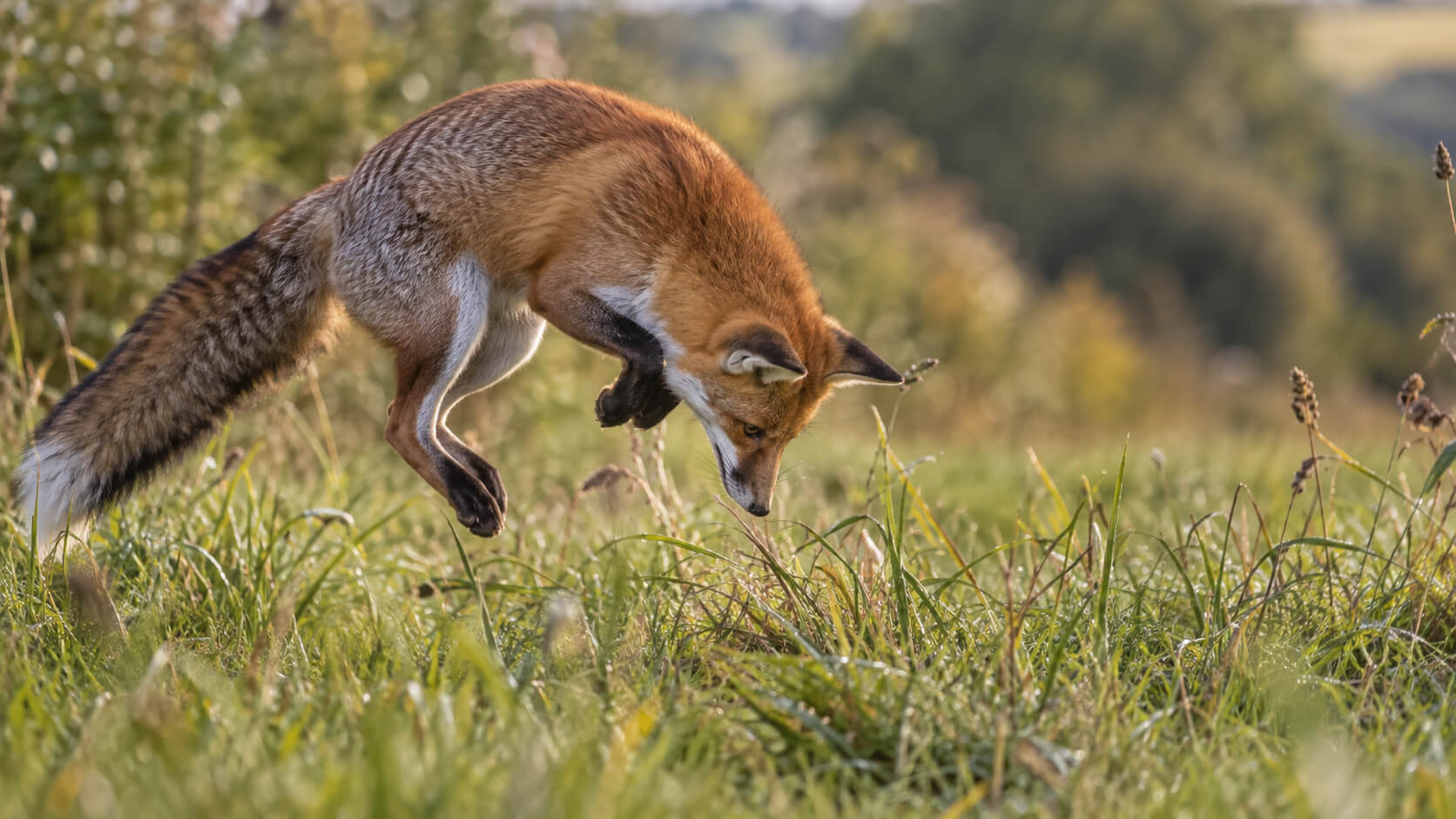
What do foxes eat? Red foxes in the UK are omnivores that eat small mammals, birds, invertebrates, fruit and carrion, with diet varying by habitat and food availability.
This guide covers wild and urban fox diets, common prey such as rats and rabbits, and suitable foods that can be offered as occasional supplementary feeding.
Recently booked jobs


What Do Foxes Eat in the Wild?
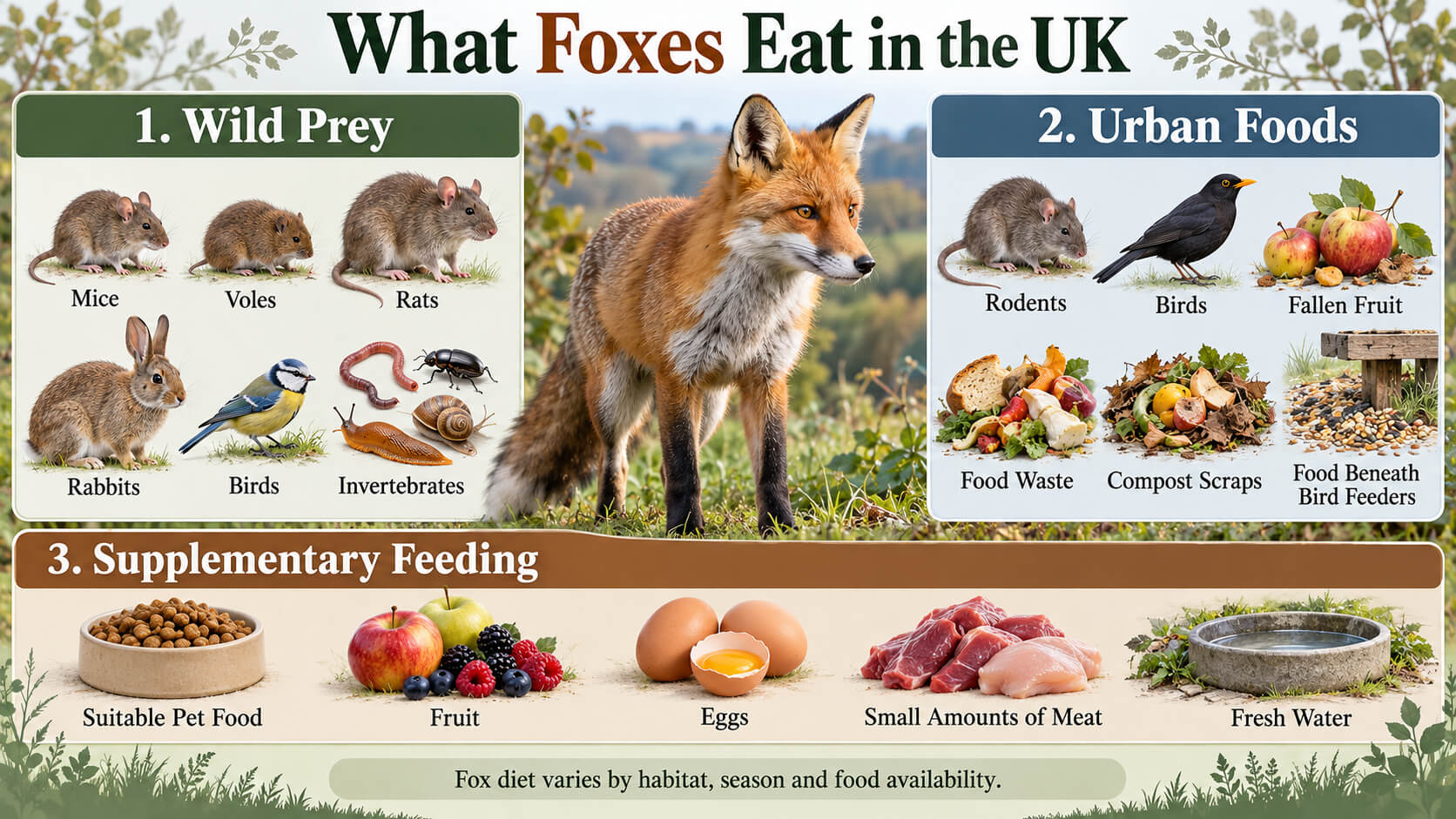
Foxes are omnivores, so they eat both animal and plant foods. In the UK, red foxes commonly feed on small mammals such as mice, voles and rabbits, as well as birds, invertebrates, carrion, berries and other fruit. Their diet changes with habitat, season and whatever food is locally available.
Wild foxes are opportunistic rather than specialised hunters. A fox may hunt live prey, scavenge dead animals or eat seasonal plant foods, which is why the balance of its diet can differ between rural, coastal and urban areas.
Do Foxes Eat Rats?
Yes, foxes eat rats. Rats form part of the wider rodent prey available to red foxes, especially in towns and other places where rats are common. UK fox guidance also lists rodents among normal fox foods, alongside rabbits, birds and invertebrates.
Foxes do not depend on rats alone. Mice, voles and other small mammals can all be taken, so searches such as do foxes eat rats and mice describe part of the same broader prey family.
Do Foxes Eat Hedgehogs?
Foxes can kill and eat hedgehogs, but hedgehogs are not one of the main foods highlighted in standard UK fox diet guidance. British hedgehog guidance recognises foxes as a source of hedgehog mortality, while noting that there is no indication fox predation affects hedgehog populations as a whole.
For UK identification purposes, a fox eating a hedgehog should therefore be treated as possible opportunistic predation rather than evidence that hedgehogs are a principal part of the red fox diet.
Do Foxes Eat Rabbits?
Yes, foxes eat rabbits, and rabbits are an important prey item in many rural habitats. The Mammal Society lists rabbits alongside mice and voles as a mainstay of the red fox diet. Foxes may hunt rabbits directly or scavenge animals that are already dead.
What Do Urban Foxes Eat?
Urban foxes eat many of the same natural foods as rural foxes, but they also exploit food associated with people. Their diet may include rodents, pigeons and other birds, insects, worms, fallen fruit, food waste, scraps from compost heaps and food beneath bird feeders.
Recent British research also shows that human-derived food can make a larger contribution to urban fox diets than to rural fox diets. Food availability is one reason urban foxes adapt so well to towns and gardens; our wider guide to UK fox behaviour covers how habitat and activity change around people.
Do Foxes Eat Squirrels?
Yes, foxes can prey on squirrels, although squirrels are not a mainstay of the red fox diet. UK wildlife sources list foxes among the predators of grey squirrels, while standard fox diet guidance more consistently identifies mice, voles and rabbits as important mammalian prey.
Do Foxes Eat Mice?
Yes, mice are a normal part of the red fox diet. Small rodents such as mice and voles are among the prey most consistently associated with foxes in Britain, although their importance varies with local abundance and habitat.
Do Foxes Eat Birds?
Yes, foxes eat birds and may also take eggs or chicks when opportunities arise. UK sources list birds as part of the normal fox diet, with urban foxes known to take pigeons and small birds and rural foxes feeding on a wider range of available bird prey.
What to Feed Foxes
If you choose to feed foxes in the UK, keep supplementary feeding limited and use suitable foods rather than trying to replace their natural diet. Mammal Society guidance recommends small amounts of natural foods such as uncooked meat, eggs and fruit, or cooked meat without bones.
Do not hand-feed foxes or leave out excessive quantities that could encourage dependence. UK guidance also advises against foods including grapes or raisins, chocolate, cooked bones and sugary or highly processed foods. Fresh water can be provided alongside food.
Frequently Asked Questions


Foxes eat a varied omnivorous diet and drink water. Their food can include small mammals, birds, invertebrates, carrion, fruit and other plant material, while urban foxes may also scavenge human food waste. What they eat depends largely on habitat, season and which foods are locally available.
Yes, foxes can kill and eat chickens when they have access to them. Foxes are opportunistic predators and birds form part of their natural diet, so domestic poultry can also be taken as prey. Chickens are one possible food source rather than the only type of prey foxes hunt.
Newborn fox cubs depend on their mother's milk before gradually moving on to solid food. Fox cubs can begin eating solid food from around three to four weeks old and are generally fully weaned by around six to eight weeks. As they develop, they move towards the varied diet eaten by adult foxes.
Foxes eat the same broad range of foods at night that they eat at other times. Because foxes are mainly active at night, dawn and dusk, much of their hunting and scavenging happens after dark. Their food may include rodents, birds, invertebrates, fruit, carrion and accessible human food waste.