


Wasp Control Guide: All You Need To Know
Wasps are insects that are commonly found in houses and gardens. They can be a nuisance because they can sting, and their nests can be a source of allergens. There are many ways to get rid of wasps from your house and garden. You’ll find helpful ways of getting rid of these bugs in this article.
Identification Of Wasps
There are many different types of wasps, but most people are familiar with the common house wasp and the yellowjacket. Other types of wasps include the European paper wasp, the carpenter ant, and the bottlebrush widow.
- The easiest way to identify a wasp is to look for its distinctive shape. The house wasp is about one inch long and has a narrow waist and a thick head. The yellowjacket is slightly larger, has a broader body, and are usually black with yellow stripes on their wings.. Carpenter ants have distinctive red and black markings on their bodies and legs,
- Another way to identify a wasp is to look at its wings. Some kinds of wasps, such as the European paper wasp, have extra large wings that they use for flying in groups.
If you see a wasp that you don’t know, it is best to leave it alone and call an expert.
Can You Perform A Wasp Control All By Yourself?
If you are suffering from wasps in your home or garden, there are few DIY wasp control methods. Wasp control is important because these insects can cause significant damage to plants and property.
It’s however important to find an appropriate wasp control method that won’t disrupt your home or injure you or your pet.
- Wasp control using natural ingredients.
There are many homemade wasp killers that work well. One popular recipe is to mix two cups of sugar and one cup of vinegar together in a spray bottle. Then, spray the mixture around the wasp nests and wait until they die. - Wasp control with smelly stuff.
One effective way to get rid of wasps is by using foul-smelling substances like ammonia or garlic oil aerosols. These smells will make it difficult for wasps to find food, which will eventually lead to their death. It is important to use caution when using these methods though; smelly substances can also be harmful if inhaled or ingested. - Wasp control with a vacuum cleaner.
If you can access the nests, use a vacuum cleaner to remove as many wasps as possible. - Wasp Control with the Use of an insecticide.
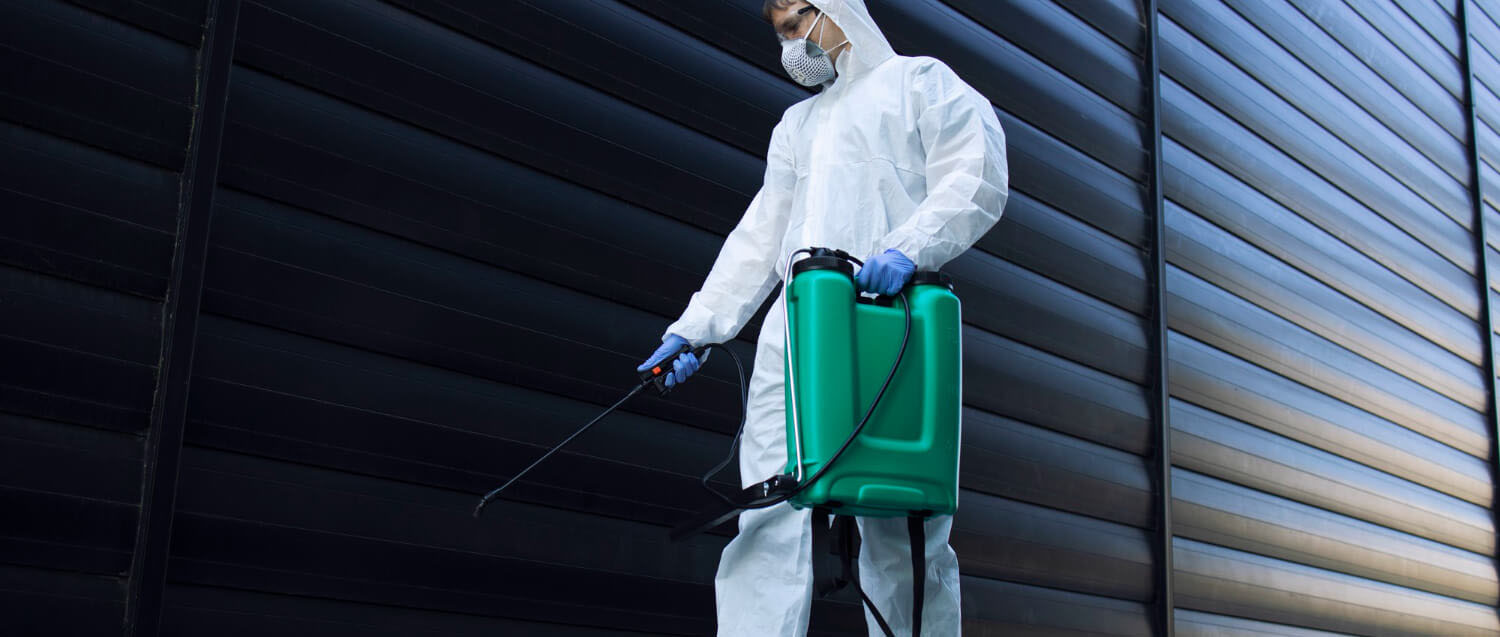
If wasps are located in inaccessible areas or if they are actively attacking people or pets, use an insecticide to kill them. Follow the manufacturer’s instructions carefully. Be sure to wear protective gear when applying insecticides. - Wasp Control using water.
Fill a large container with water and place it near the wasp nest. The wasps will fly into the water and drown.
When To Hire A Professional For Wasp Control
If you are experiencing a severe wasp problem, or if the wasps have been attacking humans or animals, then it is best to call in a professional. There are times when wasp control is not possible without the help of a professional.
Professional wasp controllers have the experience and training to deal with large swarms efficiently and without causing any danger to you. There are also times when the wasps have hidden nest which might be difficult for an untrained eye to search out.
Calling a professional will allow them to inspect the area, identify the problem, and provide a lasting solution.
There are different types of professionals that may be able to help with wasp control. A pest control operator may be able to remove the colony and treat the area with pesticides. An exterminator may be able to use non-toxic methods to kill the wasps and seal any openings that they may have entered into your home.
Prevention And Management Tips
To avoid future infestations, the following prevention and management tips should be followed:
- Keep your property clean. Remove all clutter and any potential nesting sites. Clean up any food scraps or other places where wasps may be attracted.
- Seal holes and cracks in exterior walls, ceilings, and around windows and doors. Wasps cannot build nests inside closed areas.
- Eliminate natural sources of food for wasps such as flowers in the garden, bird feeders, compost heaps, etc. Wasps are particularistic eaters so eliminating their favorite food will help discourage them from nesting near your home or business.
- Use natural repellents to discourage wasp activity. Most people are familiar with insect repellents such as DEET, but there are also other types of repellents that work well against wasps, including citronella oil, garlic sprays, and cedarwood oil products. Test out different deterrents in different parts of your home to find the one that works best for you.
If you’re like many homeowners, you’ve probably had to deal with wasps at one time or another. Fortunately, there are a few simple steps you can take to get rid of them and keep your home and garden free from these pesky insects.