


Signs of Fleas in the House
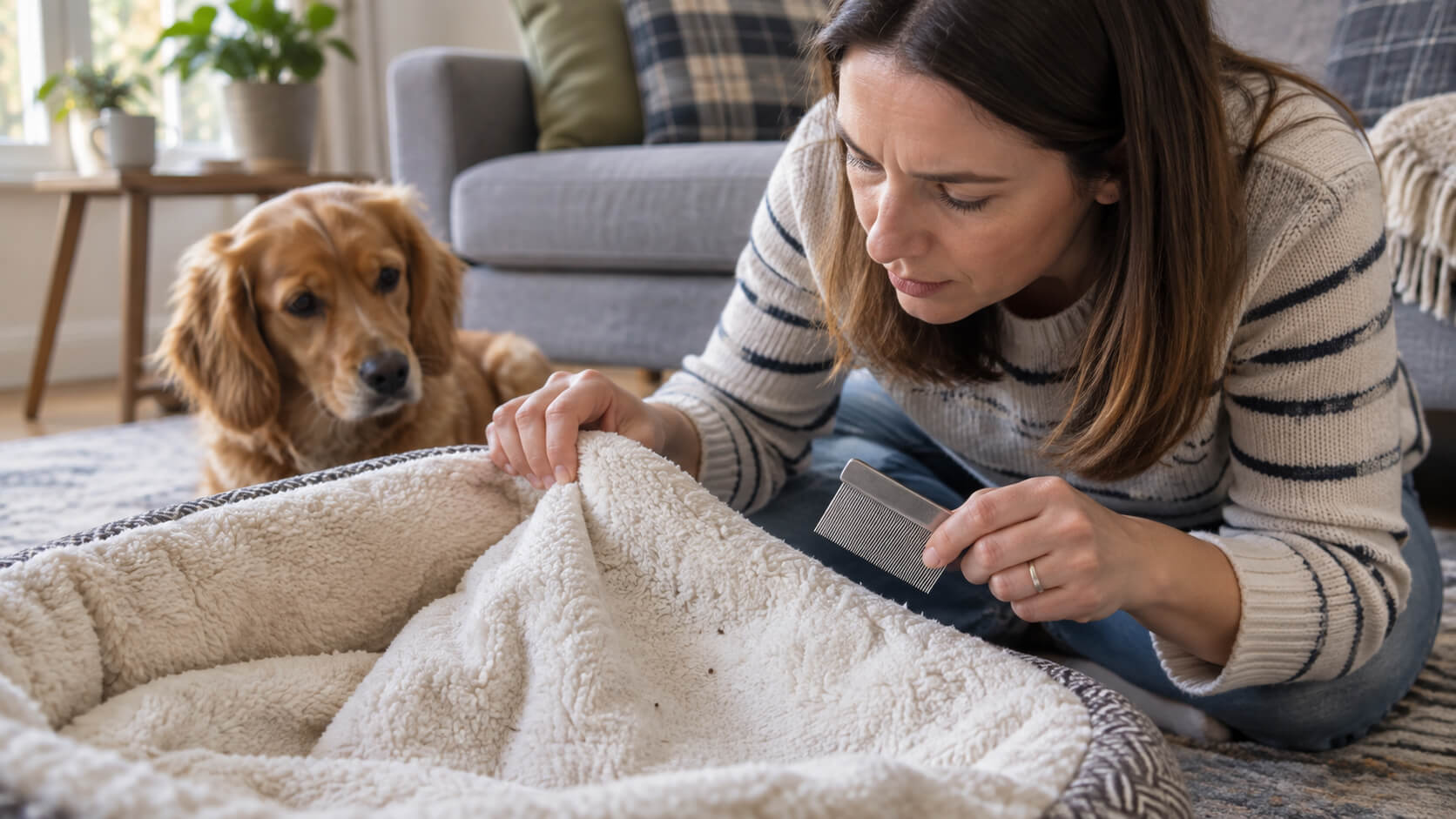
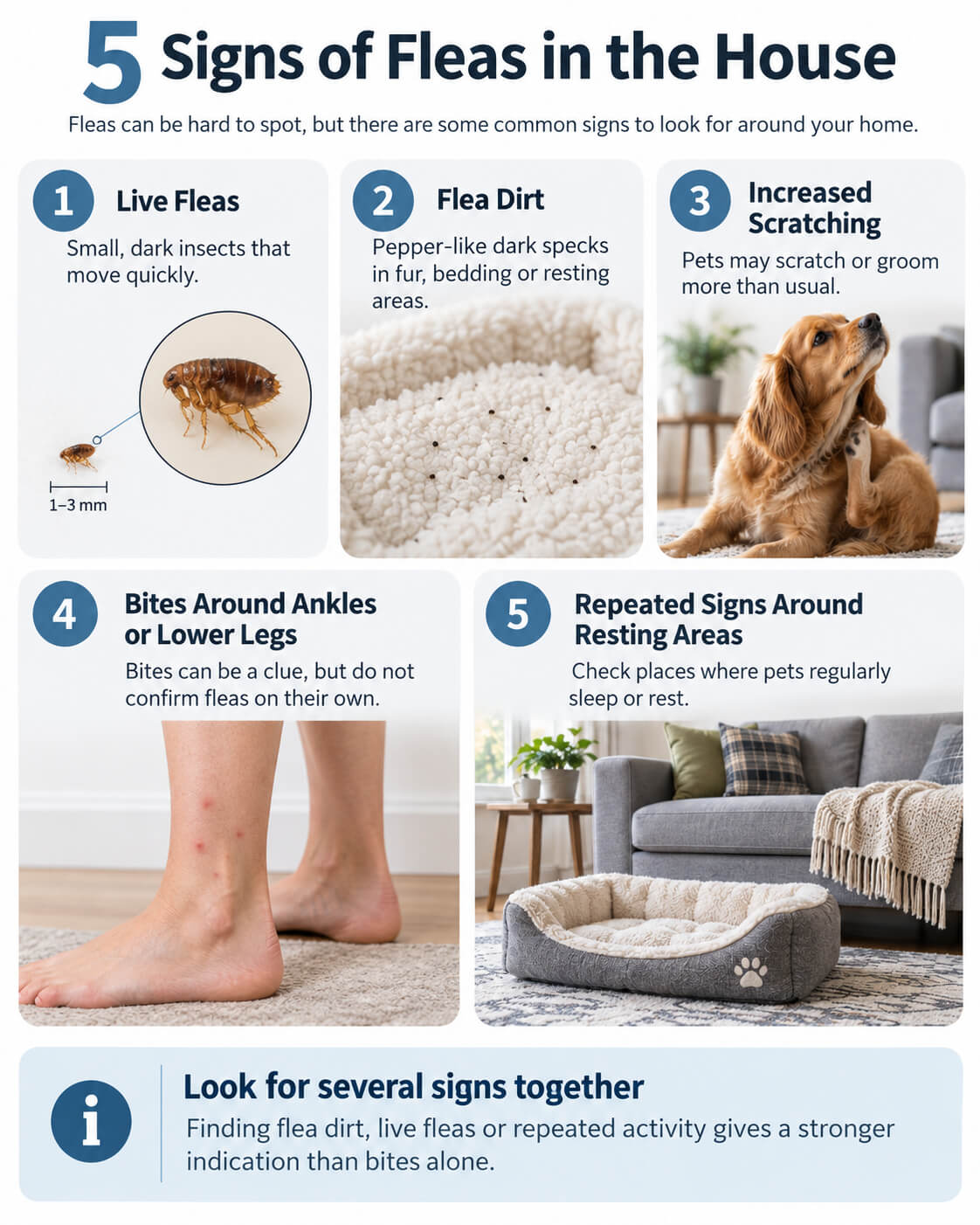
Signs of fleas in the house can include live fleas, dark specks of flea dirt, repeated scratching by pets and small bites around the ankles or lower legs. Because adult fleas are small and move quickly, other clues may be noticed before the insects themselves.
Check pet bedding, carpets, upholstered furniture and areas where pets rest. Finding several signs together gives a stronger indication of a flea problem than relying on bites alone.
Flea Pest Control
- Same-day bookings available
- Flexible appointment times
- Full-property flea treatment based on the size of your home
- Insecticide treatment includes an insect growth regulator
- Pay us by Card, PayPal, Google Pay, Apple Pay or Pay on-site



Who will come to my home?
A certified pest control technician from our vetted network, on the day and time you choose. You get a confirmation by email as soon as you book.
Is the treatment safe for children and pets?
Yes. Technicians use HSE-approved products and methods: tamper-resistant bait stations for rodents, and sprays or gels that are safe for children and pets once dry. You are told before the visit if a room needs to stay clear for a few hours.
What if the pests come back?
Follow-up visits are included where the treatment lists them, so if activity continues after the first visit, the next one is already covered at no extra charge. The price you see is the full price for the whole treatment cycle.
Do I need to prepare anything or be at home?
Someone needs to be at the property to let the technician in. Preparation is minimal and depends on the pest; the technician confirms anything needed by SMS and email after you book.
Do I pay now?
No. You see the price, then pick a date and time. Payment is only confirmed at checkout, and cancellation is free.
Is the £50 inspection fee deducted from the treatment?
Yes. If you are not sure what the pest is, you can book a £50 inspection visit. The technician identifies the pest and quotes the treatment on site, and if you go ahead the £50 is deducted from that treatment price.
Recently booked jobs


Signs of Fleas in the House
Common signs of fleas in the house include live fleas, dark flea dirt, increased scratching by pets and small bites around the ankles or lower legs. Adult fleas are small and move quickly, so you may notice these indirect signs before you actually see an insect.
Pay particular attention to places where pets spend time, including bedding, rugs, sofas and other soft furnishings. Fleas can be difficult to confirm from one clue alone, so look for several signs together rather than relying only on bites or scratching.
What Do Fleas Look Like?
Adult fleas are tiny, wingless insects with flattened bodies and a dark brown to brownish-black appearance. Common cat and dog fleas are only a few millimetres long, so they can be seen with the naked eye but may be difficult to spot against fur, carpets or dark fabrics.
Fleas can also jump quickly when disturbed, which may make a small dark insect disappear before you can examine it closely. Size, colour and jumping movement can all be useful clues, but identification is stronger when a live flea is found alongside flea dirt, repeated pet scratching or other signs in the same area.
What Does Flea Dirt Look Like?
Flea dirt usually looks like very small dark brown or black specks, similar to grains of ground pepper. It may be found in a pet's coat, on bedding or in areas where an affected animal regularly lies down.
Flea dirt is made up of digested blood left behind by adult fleas. It should not automatically be confused with ordinary household dirt, crumbs or soil, so consider where the specks are being found and whether other flea signs are present at the same time.
Signs of a Flea Infestation
Signs of a flea infestation usually involve repeated evidence rather than a single isolated flea or bite. You may notice continued scratching by pets, recurring bites, flea dirt in more than one resting area or adult fleas appearing repeatedly over several days.
The signs may also become noticeable in more than one soft-furnished area of the home, particularly where pets move between rooms. Fleas are not always easy to see, so the pattern and frequency of the evidence can be more informative than one brief sighting.
It is also important not to assume that every small dark insect or bite is caused by fleas. If the signs are unclear, continue checking the areas where activity is most likely and look for a combination of physical clues.
How to Know If You Have Fleas
The best way to know if you have fleas is to combine evidence from your home, pets and the areas where they regularly rest. Repeated scratching or grooming by a pet can be an early clue, especially when it appears alongside dark specks in the coat or bedding.
Human bites may also occur, often around the feet, ankles or lower legs, but bites alone are not enough to confirm fleas. Other insects and skin reactions can produce similar marks, so physical evidence such as flea dirt or a live flea provides a stronger indication.
Flea bites in the house are more meaningful when they appear alongside other physical evidence. If bites recur while flea dirt, live fleas or increased scratching by pets are also being noticed, the combination provides a stronger indication of flea activity than the bites alone. Repeated evidence around the same resting areas is particularly useful.
How to Find Fleas in Your Home
To find fleas in your home, start with the places where pets sleep, rest or spend the most time. Check pet bedding, rugs, carpet edges, upholstered furniture and nearby floor areas carefully for small moving insects or dark specks.
Adult fleas can move quickly and may be difficult to spot directly. Looking slowly through a pet's bedding or using a fine flea comb on an animal can sometimes reveal fleas or flea dirt that would otherwise be missed. If you have pets, follow appropriate veterinary advice when checking their coat or skin.
Where to Check for Fleas in the House
The most useful places to check for fleas are areas where pets or people remain still for long periods. This can include pet beds, sofas, rugs, carpets, floor edges and gaps around furniture.
Focus first on the areas that are actually used rather than checking every part of the property equally. Flea activity is more likely to be noticed around regular resting places, where adult fleas have easier access to a host and other stages of the flea life cycle may also be present nearby.
If the evidence indicates a flea problem in the property, you can check professional flea treatment options, prices and availability through MyConstructor.
Sources: British Pest Control Association (BPCA) – Pest Advice for Controlling Fleas, PDSA – Preventing Fleas in Dogs, Cats and Rabbits.
Frequently Asked Questions


Yes, fleas can be present in a house even if you do not currently have pets. They may have been introduced previously by animals, visitors or belongings, and some flea stages can remain in the environment before adults become noticeable.
Yes, you can have fleas without seeing a live flea. Adult fleas are small and move quickly, so signs such as flea dirt, repeated bites or increased scratching by pets may be noticed before an insect is actually seen.
No, bites alone cannot confirm that fleas are present. Other insects and skin reactions can cause similar marks, so look for additional physical evidence such as flea dirt or live fleas before assuming fleas are the cause.
Yes, adult fleas can be seen with the naked eye, although they are very small and can be difficult to spot. They are usually dark in colour and may move or jump quickly when disturbed.
Yes, flea activity can appear in more than one room, particularly where pets or people regularly spend time. If the same signs appear in several resting areas, check each location carefully rather than assuming the problem is limited to one part of the home.