

Local Pest Control: The Best Ways To Control Local Pests
If you're like most people, one of your top priorities is keeping pests out of your home. But what if you can't just close the door and hope for the best? What if you have to deal with pesky critters on a regular basis? In this post, we're going to take a look at some of the best ways to control local pests.
What Are Pests?
There are so many different types of pests that can affect your home, and it can be really difficult to know which ones to worry about. Here are a few of the most common local pests:
- Flies: These tiny creatures can cause a lot of trouble in a home, as they like to contaminate food and spread diseases. If you notice an increase in fly activity, there's probably a source nearby (like garbage cans or compost piles) that's attracting them. One effective way to control flies is to use sticky traps.
- Mosquitoes: Mosquitoes can be incredibly annoying, and their bites can cause redness, swelling, and itchiness. There are plenty of ways to get rid of mosquitoes, pinch pots and other mosquito traps. You can also try using DEET-containing products or repellents on yourself and in your surrounding area.
- Bed Bugs: Bed bugs are one of the most common pests around, and they love to feed on human blood! If you see any bug marks on your sheets or furniture, don't panic - just keep an eye out for them during daylight hours and take appropriate steps to get rid of them (like calling a professional).
These three examples are just a few of the most common local pests that might affect your home. There are tons more out there, so it definitely pays to be aware!
Why Do We Need Local Pest Control?
There are a number of reasons why you might need to get your hands on some local pest control. Maybe you're having trouble keeping pesky bugs at bay, or maybe you just really don't like the idea of using chemicals. In any case, there are plenty of great ways to take care of pests without resorting to dangerous chemicals.
One great way to avoid using harmful chemicals is to use natural methods. For example, you can try using garlic as a deterrent against pests. Garlic smells terrible to pests and will repel them from your property. You can also try mixing vinegar and water together and spraying it around your home or yard. This mixture will kill beneficial insects as well as pests.
Another great way to combat pesky bugs is to use traps. Traps can be bought in stores or online, and they work by capturing the pests instead of spraying them with poison or harmful chemicals. Some popular traps include bug zappers and sticky boards. Bug zappers use electromagnetic waves to kill the bugs, while sticky boards trap the bugs by attaching themselves to their bodies.
Whatever method you decide on, make sure that you're using safe practices when dealing with pests. If you choose to use natural methods, be sure to check with your local authorities before doing so; some plants can be poisonous if not used correctly. And always wear gloves when handling any kind of trap or insecticide; even small amounts can cause skin irritation
What Does A Local Pest Control Specialist Do?
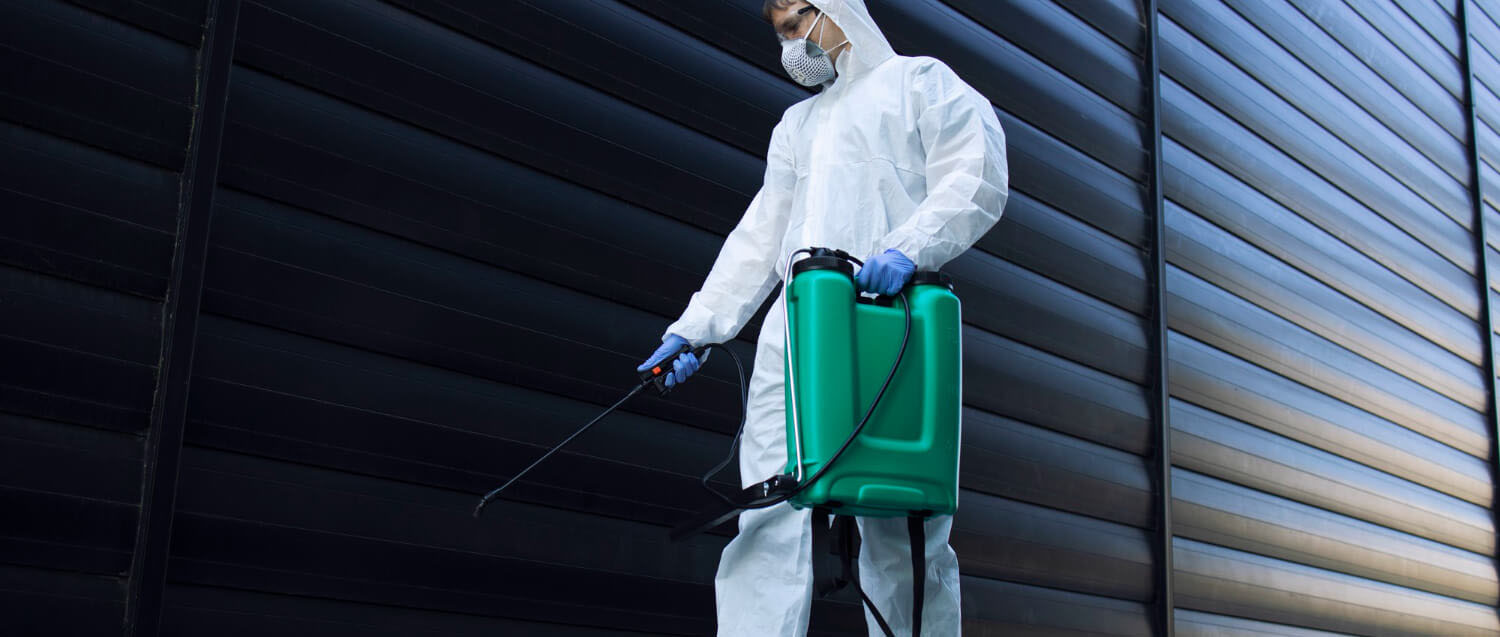
Local pest control specialists are responsible for controlling pests in and around homes, businesses, and other areas. These specialists use a variety of methods to get rid of pests, including using pesticides, traps, and other tools. Some local pest control specialists also offer nuisance wildlife removal services.
Local pest control specialists can help you get rid of any type of pest, from spiders to rodents. They can also help you prevent pests from coming back in the future.
Local Pest Control Near Me
You can usually find local pest control specialists through online search engines and by word of mouth. Once you have found a local pest control specialist, it is important to ask for a quote and to set up an appointment.
Tips For Hiring A Local Pest Control Specialist
When you are hiring a local pest control specialist, it is important to be prepared for some upfront costs. For example, some specialists may charge a fee for their services, and others may require that you cover the cost of any pesticides or other tools used.
It is also important to make sure that the specialist you choose is qualified to handle the type of pest you are dealing with. Some pests are best handled by experts, while others can be handled by anyone with basic knowledge and equipment. Finally, be sure to ask the specialist any questions you have about their services; they may be able to provide additional insights into how they work.

