

The Procedures To Fumigate Your Environment - Why Fumigation Is Essential For Your Property Or Business
Fumigation is the process of using chemicals to kill pests in an area. This can be done for both residential and commercial properties. This process is often used when other methods of pest control, such as traps and pesticides, have failed. There are different types of fumigants, and the type you use will depend on the pests you're trying to get rid of.
For example, sulfuryl fluoride is often used to fumigate termites, while methyl bromide is used to fumigate bed bugs.
The process can be dangerous; it's important to understand the risks before you decide to fumigate your home or business. This blog post will cover the procedures you need to follow to fumigate your environment safely.
What Ιs Fumigation?
When you fumigate, you are enveloping your home or business in a "curtain" of poisonous gas. Fumigation is the only way to eradicate some of the most serious pests, like wood-destroying insects and rodents. It's also used to eliminate mold and mildew that can cause health problems.
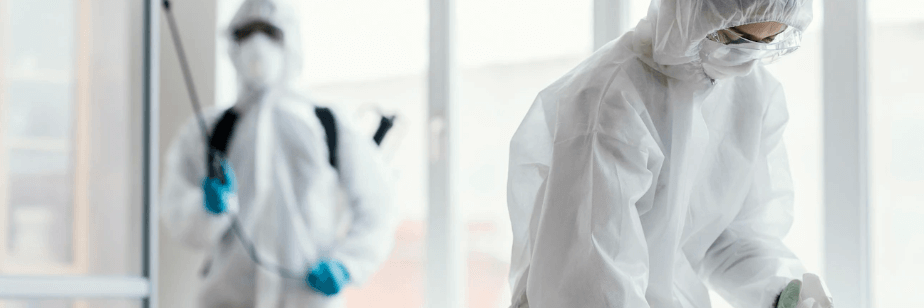
Fumigation is usually done with a tent that covers your entire home or building. Once the tent is in place, we pump in a gas called Vikane® (sulfuryl fluoride). Vikane is odourless, colourless and tasteless. It penetrates every crack and crevice where pests may be hiding and kills them on contact.
After the fumigation process is complete, we aerate your home by ventilating with fans and opening windows. We then monitor the air until it's safe for you to return.
Why Do You Need To Fumigate Your Environment?
There are many reasons why you might need to fumigate your environment.
- If you have recently had pest control treatments, fumigation can help to ensure that all of the pests are gone.
- It can also help to prevent new infestations from occurring.
- If you live in an area with a lot of moisture, fumigation can help prevent mould and mildew from developing.
- Fumigation can also be used to kill bacteria and viruses, making it a good option for sanitizing your home or office.
How Often Should You Fumigate Your Environment?
When it comes to fumigation, there is no one-size-fits-all answer. The frequency with which you fumigate your environment will depend on a number of factors, including the type of pests you're dealing with, the severity of the infestation, and the size of the area to be treated.
Quarterly fumigation may be sufficient if you're dealing with a minor infestation of common household pests, such as ants or cockroaches. For more serious infestations or for those involving more difficult-to-eliminate pests such as bedbugs or termites, monthly or even weekly may be necessary.
Whatever the frequency, it's important to have a professional pest control company carry out the process to ensure that it's done correctly and effectively.
The Different Types Of Fumigation
When you hear the word fumigation, you might think of a tent being placed over a house while chemicals are pumped in to kill pests. This is called "structural fumigation" and is one type of this process. There are other types, though, that don't involve tents. Here are some brief descriptions of different types:
- Structural: This is the most common type.A tent is placed over the entire structure, and chemicals are pumped in, filling the air inside the tent. The chemicals kill pests that are inside the structure, including their eggs and larvae.
- Containerized: Commodities such as grains, coffee beans, and spices can be infested with pests. To prevent these pests from infesting other commodities, containers full of infested commodities can be treated with fumes from pesticides. This type of fumigation is also used to treat wood products such as lumber and pallets.
- Vaporization: Pest control operators may use equipment that vaporizes liquid pesticides to treat an area for pests. The pesticides turn into gas or steam in this process and fill the area where they're being used. Vaporization can be used to treat an entire room or building, or it can be used to target a specific area, like cracks and crevices where pests hide.
The Procedures Of Fumigation
When you fumigate your environment, there are a few procedures you need to follow to ensure that the process is done safely and effectively.
Here are the steps to take:
- Clear the area of all people and pets: You'll need to vacate the premises for a period of time, so make arrangements in advance.
- Close all windows and doors, and seal any openings with tape or plastic sheeting: This will prevent the fumes from escaping.
- Open all cabinets and cupboards, as well as any closets or storage areas, so that the fumes can reach every nook and cranny.
- Turn off any fans or other ventilation systems: You don't want the fumes circulating throughout your home.
- Place the fumigator in the middle of the room, away from any walls or furniture: Follow the manufacturer's instructions on how to set it up properly.
- Activate the fumigator and immediately leave the premises: The amount of time you need to stay away will depend on the product being used; be sure to check the label for guidance.
Things To Take Note Of During And After Fumigation
When fumigation occurs, it is important to ensure that all food items are sealed in airtight containers and that all people and pets are out of the home. Once the process is complete, the home will need to be ventilated before anyone can enter.
What Does Fumigation Help Do In London?
Fumigation is a process that helps to get rid of pests in London. It involves using gas or smoke to kill insects. This process can be used to get rid of a wide range of pests, including cockroaches, ants, and flies. It can also help to prevent these pests from returning to your home or business.
How Easy Is It To Fumigate For My Compound?
Fumigation is the process of exterminating pests in a structure by sealing off the area and filling it with poisonous gas. This gas penetrates all the nooks and crannies where insects or rodents might be hiding and killing them. It's an effective way to get rid of pests, but it requires some preparation.
What Is The Importance Of Fumigation?
Using chemicals to permeate a space and kill pests is called fumigation. It is typically used to control pests in enclosed spaces, such as warehouses, ships, trains, and aircraft. It can also be used to control pests in open spaces, such as fields and parks.
The Impact Of Fumigation In London
Fumigation is a process in which gaseous pesticides are released into the environment in order to kill insects or other pests. This process can significantly impact air quality in London, as well as the health of its residents.
It has been shown to release a number of harmful chemicals into the air, including chloropicrin, phosgene, and hydrogen cyanide. These chemicals can cause a variety of health problems, including respiratory irritation, headaches, nausea, and dizziness. In some cases, they can also lead to more serious health problems such as cancer.
The long-term effects of fumigation on air quality are not yet fully understood. However, it is clear that this process can have a negative impact on the health of those who are exposed to it. If you are considering fumigating your home or business premises, you should carefully weigh the risks and benefits before making a decision.
Many companies offer those services in London, but not all are licensed and qualified to do the job correctly. Choosing a reputable and experienced company to carry out the process in your home or business is important.
How Easy Is It To Find An Expert In London Near Me?
If you are looking for an expert in London, it is easy to find someone who can help you. There are many companies that offer this service, and they will be able to come to your home or office and get the job done quickly and efficiently. All you need to do is find one of these companies and give them a call.
How Much Does Fumigation Cost?
The average cost is between £100 and £4000. The price will depend on the size of your home, the type of infestation, and the company you hire.
Some factors that affect the costs are:
- The size of your home: Larger homes will require more time to treat and, therefore, will be more expensive.
- The type of infestation: Certain pests are more difficult to get rid of than others. For example, termites are notoriously difficult to get rid of, so a company may charge more for termite fumigation.
- The company you hire: Some companies will charge more than others for their services. It's important to do your research and find a reputable company that offers competitive pricing.

