


Fox Pest Control In The UK - Everything You Need To Know
Foxes are one of the most common pests in the UK, and they can cause a lot of damage. Not only do they eat your food, but they can also spread diseases. So what can you do to get rid of them? In this blog post, we will discuss some of the most effective fox pest control UK techniques. From trapping and poisoning to exclusion, read on to learn everything you need to get rid of these pesky creatures. Also you will learn what attracts them to our houses.
Types Of Foxes
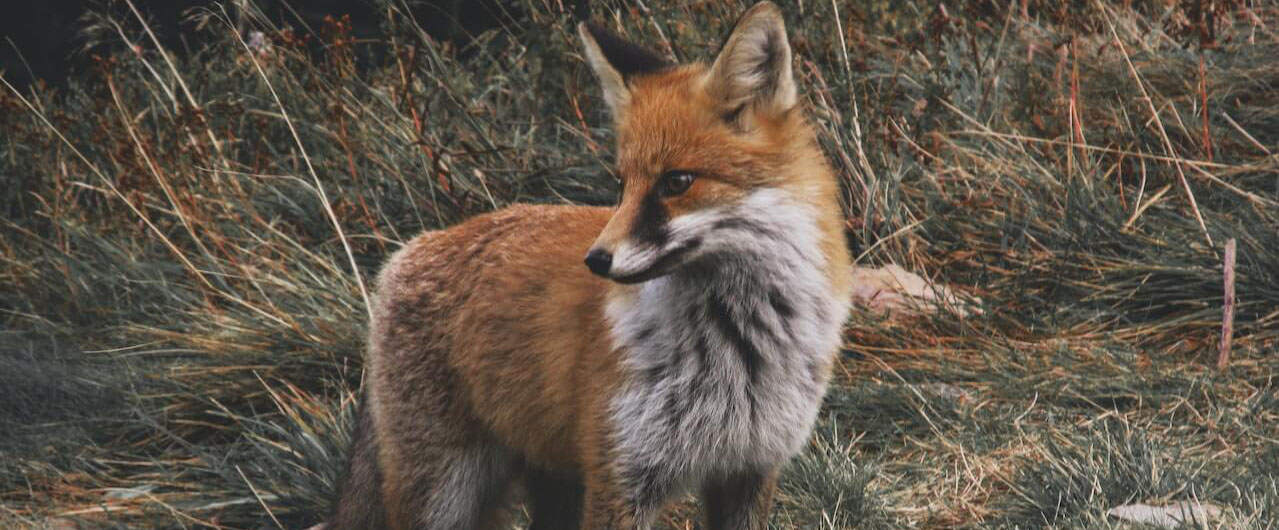
There are five types of foxes in the UK: the red fox, the vixen, the jackal, the gray fox and the Scottish fold.
- The red fox is by far the most common type of fox in the UK. They are mainly found in rural areas, but have been known to spread into suburban areas. They are mostly active during the day, but can be active at night as well.
- The vixen is mostly found in forested areas, but has been known to enter towns and cities. They are mainly active during the night, but can also be active during the day.
- The jackal is mainly found in urban areas, where they prey on small animals such as rodents and birds. They are mainly active during the night, but can also be active during the day.
- The gray fox is a relatively new species to Britain and is only found in a few isolated locations. They are mainly active at night, but can also be active during the day.
- The Scottish fold is a domesticated form of wild fox that was brought over from Scotland in order to improve agricultural productivity. They are mainly found indoors, where they live alongside humans.
What Causes Fox Infestation
There are a few different ways that Fox infestation can be caused. A Fox may start to live in your garden if it's been displaced from its natural habitat, or if you have released one from captivity. In this case fox pest control uk is needed. Other causes could include domesticated animals escaping and establishing a colony in the wild, or pests moving into your garden and providing food for the foxes.
The most common way that Fox infestation becomes a problem is when they start to feed on the local wildlife, such as birds or rabbits. This can cause other predators to move in and try to take over the territory, leading to clashes and eventually conflict. If this happens repeatedly it can create a situation where both foxes and other wildlife are killed, leaving your garden empty of life. Therefore, fox pest control uk is needed.
There are several ways of dealing with an established Fox population: trapping them, poisoning them, scaring them away with noises or dogs, or killing them. The most effective method will depend on the situation and the type of Fox involved.
How To Get Rid of Foxes Safely
There are a few safe, humane ways to get rid of foxes safely:
- Capture and remove the foxes using live traps or harpoons. Make sure you have the right permits and licenses in place before doing this.
- Leave poisoned food out in their territory. This will kill the foxes but won't harm other animals or humans. Make sure you follow all safety guidelines when using poisons, and keep children and pets away from the area until it is safe to go back.
- Scare the foxes away with loud noises or visual displays such as fireworks or flashing lights. Cover your windows so they know that this is not a comfortable place for them to stay.
- In a case where they have grown in number beyond control, a fox pest control uk is needed.
Implications Of Not Getting Rid Of Foxes
Fox pest control UK Is the best way to go because leaving fox unattended to causes a lot of problem to you. There are a number of implications to not getting rid of foxes.
- Firstly, if you do not get rid of them, they will continue to multiply and spread their pest-carrying habits throughout your property - this could include rats, mice and other invasive species. Get a fox pest control uk urgently.
- Secondly, if foxes are allowed to remain on your property they may become a nuisance or even an attack animal, as they have been known to prey on domestic pets and poultry. Try and contact us for our fox pest control uk today.
- Finally, although foxes can be a problem when it comes to pests, they also play an important role in the ecosystem by scavenging for food and helping to control populations of other predators. If you do decide to get rid of your foxes, please be sure to take into account the above points so that you do not have any negative consequences for your property or its inhabitants.
Other implications are listed below.
- Mark their territory with unpleasant scent and droppings.
- Raid waste or compost bins.
- Can dig up plants, flower beds or lawns searching for insects and worms or to bury surplus food.
- Make loud 'screams' at night - mainly from December to May.
- Make dens in spaces under houses, sheds and outbuildings.
Catching Foxes As Fox Pest Control UK
When it comes to catching foxes, there are a variety of baits that can be used. Some popular baits include sardines, tinned meat, liver paste, bacon and eggs, and cheese. It is important to choose the right bait for the target fox and to use it in the correct way.
Another method that is often used to catch foxes is to set a wire-mesh cage over a baited area and then to use a net to capture the fox. This method can be successful if the fox is caught in the cage and if the bait is placed in an area where the fox is likely to eat it.
Another approach that can be used to catch foxes is to use a shock collar. This type of collar emits an electric shock when the wearer is touched, which can be effective in deterring the fox from approaching.
If you're experiencing a pest infestation, it's time to call in the professionals. MyConstructor is a UK-based company that specializes in fox pest control UK quickly and efficiently. We have a wide range of techniques that we use to get rid of pests, so whether you have ants, spiders, cockroaches or rodents causing trouble in your home or office, we can help. Give us a call today and let us take care of everything!