


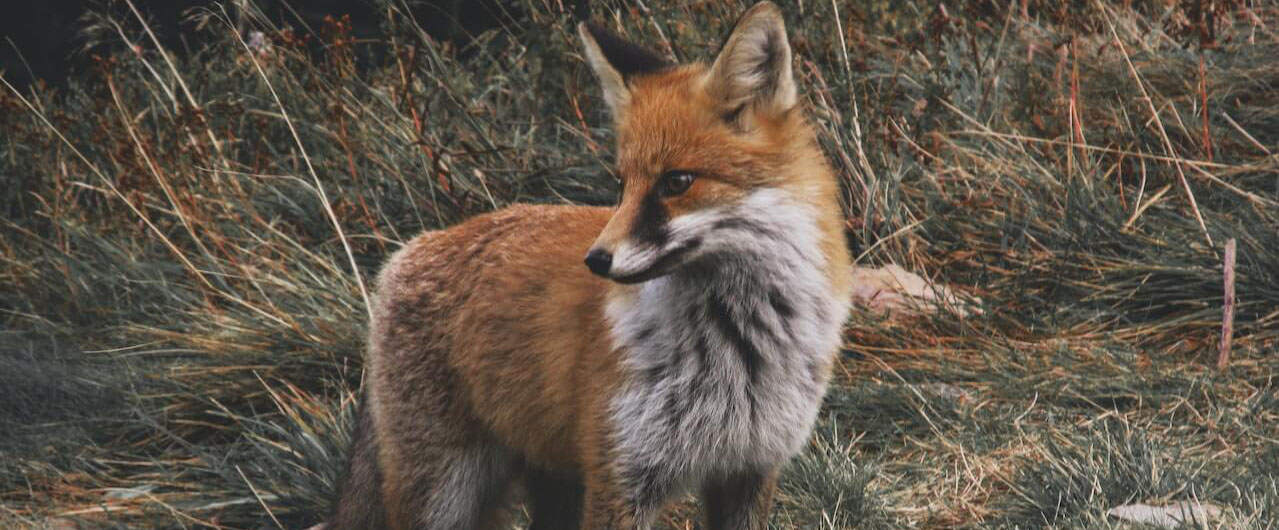
Fox Control: Why Hiring A Professional Is Vital?
Foxes are small, furry animals that are common in many areas of the world. They can be a nuisance, as they can raid chicken coops and gardens, but they can also be helpful, as they are known to bring down prey. There are several ways to control foxes effectively, which will be discussed here.
Fox control is an essential part of any agricultural operation. Not only do foxes eat a wide variety of poultry and small animals, but they also spread disease to farmed birds and livestock. While there are many ways to go about fox control, some of the easiest are using live traps and shooting. Here, we will discuss the different methods available for fox control and which is the best for your specific situation.
What Fox Control Means?
Fox control is an important and necessary endeavor if you want to keep your yard free of pests and unwanted animals. There are many ways to go about fox control, so it is best to consult with a professional if you have any questions about the best way to proceed.
One of the simplest methods for controlling foxes is trapping them. Trapping can be done by setting catch traps, live traps, or wire cages. You can place these traps near entrances or around favored areas where foxes are known to frequent. If possible, place multiple traps in different locations to maximize effectiveness.
There are also several physical barriers that can be placed around yards to prevent fox access. These barriers can include fences, walls, boards, and even ditches. They should be appropriately sized and constructed so that they do not impede normal animal movements but will effectively keep out foxes.
Why Use Fox Control In Your Garden
It is important to have a plan when trying to control foxes in your garden. By knowing the basics of fox behavior, you can create a plan that will work for your specific situation.
- Foxes are nocturnal animals and are generally active at night. This is due to their hunting and scavenging habits, which are most effective in the dark.
- They like to live in colonies of around five animals. They are territorial and will defend their territory against other foxes, as well as other animals such as rabbits or squirrels. You can try to keep foxes from your garden by creating a fence or scarecrow to deter them, or by using a noise maker (such as a horns) to make them move on.
- They are also very territorial, which means they will defend their territory from other animals or humans. To keep foxes out of your garden, start by creating a fence or wall around the perimeter of your yard. This will help protect your plants from being eaten or vandalized by the foxes and keep them away from areas where they may be harmful or create nuisance problems.
- Additionally, using barriers such as electric wires or netting can deter the foxes from entering your garden altogether. If all else fails, installing a repellent product around your plants can help repel the foxes.
Fox Control Techniques
Fox control techniques can be used to deter foxes from raiding poultry or crops.
- One common technique is to set up a fence around the area where livestock or crops are located. Fences should be at least 6 feet high and made of sturdy material, such as metal or concrete. This prevents foxes from climbing over the fence and raiding livestock or crops.
- Another approach is to use “scare devices”. These are scare tools that create a loud noise, flash light, or scent when activated. Scare devices can be placed close to the areas where livestock or crops are located, and should be turned off when animals are no longer being harassed.
- Other techniques that can be used to deter foxes from raiding areas are noise makers, such as drums or air horns, and pepper sprays.
What Attracts Foxes To Your Garden
Foxes are attracted to gardens because they like to eat fruits, vegetables, and small animals.
- Foxes are a common sight in urban areas, and can be a nuisance. They're attracted to the smell of their prey, in particular poultry feces or urine. There are many ways to protect your garden from them, but some of the easiest include food as bait, enticing scent trails, and scare devices like sounds or dummies.
- Luring a fox into an unfamiliar cage is hard, and will require extra incentive. Foxes may have a reputation for being opportunistic feeders that will eat anything, but luring one into a house trap would not be the best course of action.
- Foxes love their food! They are drawn to anything that smells or has a sweet tooth, such as fish (fresh or canned), chicken, meat and many sugary vegetables.
If you're noticing your foxes acting a little bit twitchy lately, it may be time to start taking steps to control their population. There are a few easy ways that you can go about doing this, and we'll outline them for you in this article.
Keep in mind that controlling the fox population is a long-term process, so don't get discouraged if it takes some effort on your part at first. Ultimately, the success of your fox control program will depend on how committed you are to see it through.

