


How to Fix a Dripping Tap: Causes and Safe Repair Steps
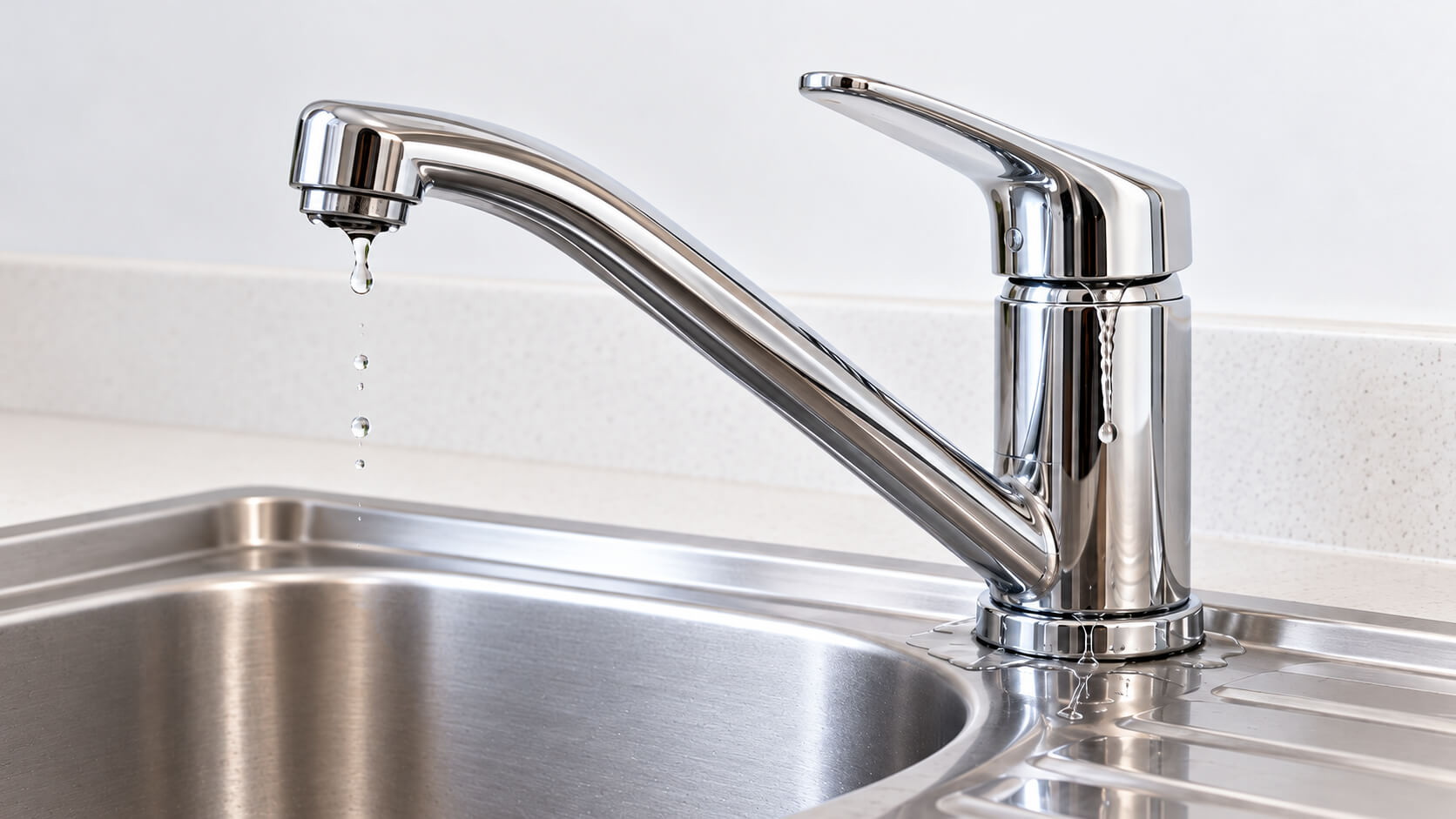
A dripping tap is usually caused by a worn washer, O-ring, ceramic disc or cartridge that no longer seals the water flow correctly. The source of the leak can vary depending on the type of tap and where the water is escaping.
This guide explains the common causes of a leaking tap, how to identify where the problem is coming from and the safe checks that can help determine what type of repair may be needed.
Dripping and Leaking Tap Checks
- Identify whether the water is coming from the spout, handle, stem or base
- Check whether the tap uses a traditional washer or a ceramic cartridge
- Isolate the water supply before removing tap components
- Inspect seals, O-rings and internal components for wear or damage
- Avoid forcing seized or damaged tap parts during inspection


Who will come to my home?
A certified local plumber from our vetted network, on the day and time you choose. You get a confirmation by email as soon as you book.
Are the parts included?
Small parts like washers, seals, valves and flush mechanisms are always included: the plumber brings the right one. For things you choose, like taps, toilets or radiators, you can supply your own or the plumber brings a standard one, as shown on your quote.
What if the plumber finds something else?
The fixed price covers the work on your quote. If the plumber finds something different on site, they explain it and quote it before starting, and you decide whether to go ahead.
What does the call-out fee cover?
When a fault needs to be found first, the plumber diagnoses it at your property and repairs what they can on the spot, with up to 1 hour of work included.
Do I pay now?
No. You see the price, then pick a date and time. Payment is only confirmed at checkout, and cancellation is free.

Recently booked jobs


What Causes a Dripping or Leaking Tap?
A dripping tap is most often caused by a worn or damaged part that is no longer sealing the water flow properly. Depending on the tap design, the fault may involve a rubber washer, O-ring, ceramic disc, cartridge or another internal seal. Mineral deposits and general wear can also prevent these components from closing cleanly.
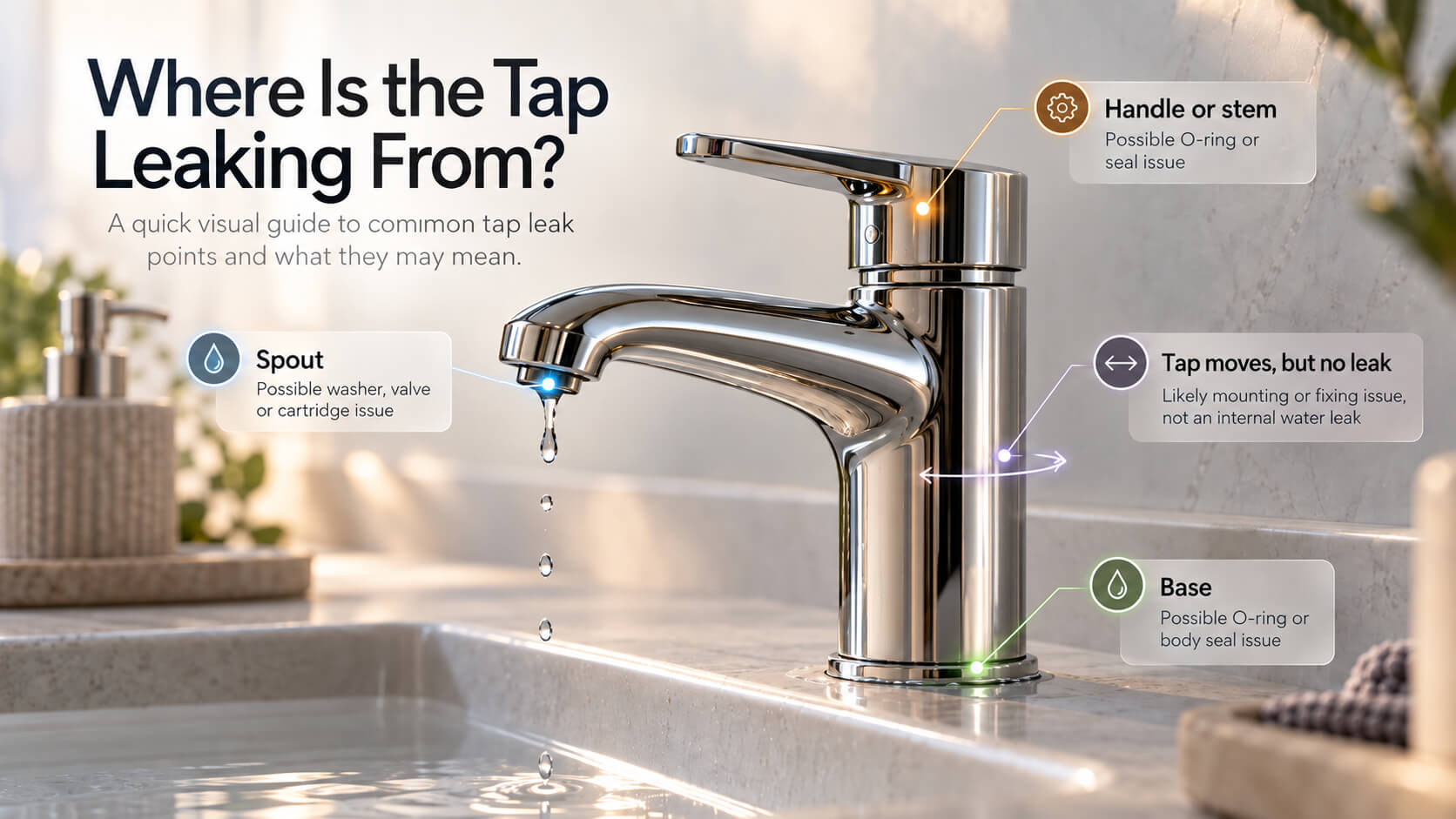
Where the water appears is an important part of the diagnosis. A tap dripping from the spout usually points to a different fault from water escaping around the handle, stem or base. Identifying the source first helps avoid replacing parts that are not causing the leak.
Tap Dripping From the Spout
A tap that continues to drip from the spout after it has been turned off usually has an internal sealing problem. On a traditional compression tap, a worn washer or damaged valve seating can allow a small amount of water to continue passing through even when the tap is closed.
A faulty or leaking tap valve can allow water to continue passing through even when the handle is fully closed. Quarter-turn and many mixer taps commonly use ceramic discs or cartridges instead of a traditional rubber washer. The same basic diagnosis applies whether the dripping tap is fitted to a kitchen sink or bathroom basin, although the internal valve, washer or cartridge type may differ.
Tap Leaking From the Handle or Stem
Water appearing around the tap handle or stem usually indicates a seal around the moving part of the tap is no longer holding correctly. Depending on the tap design, this may involve an O-ring, gland seal, spindle seal or part of the cartridge assembly.
A handle leak can sometimes appear only while the tap is running, while other faults remain visible after the tap has been closed. The exact repair therefore depends on both the location of the leak and the internal design of the tap.
Tap Leaking From the Base
A tap leaking around the base can be caused by a worn seal or O-ring where the spout or tap body joins the fitting. Water may collect around the base during use and can sometimes be mistaken for water coming from the sink, worktop or pipework below.
A water leak from the base is different from a tap that is physically loose or wobbling on the sink. If the tap moves but no water is escaping from the fitting itself, the problem is more likely to involve the mounting or fixing rather than the internal water seal.
How to Fix a Dripping or Leaking Tap Safely
To stop a dripping or leaking tap, first identify the type of tap and isolate its water supply before removing any components. Do not dismantle a tap while it is still under pressure, and avoid forcing handles, covers or cartridges that feel seized or heavily corroded.
If the tap does not have accessible local isolation valves, the incoming water supply may need to be shut off at the internal stopcock. If you are unsure where this is located or how it works, see our guide to finding and using your stopcock before starting.
Before You Take the Tap Apart
Turn off the relevant water supply and confirm that the flow has stopped before opening the tap body. Open the tap briefly after isolation to release remaining pressure, and protect the sink or basin so that small screws and components cannot fall into the waste.
It is also useful to identify the tap type before buying replacement parts. Traditional taps, quarter-turn taps and different mixer designs do not all use the same washers, cartridges or seals, so a part that looks similar may not be suitable for the fitting.
Traditional Washer Taps
A traditional compression tap commonly drips because the rubber washer no longer seals properly against the valve seating. After the water has been isolated and the tap opened safely, the worn washer can be inspected for flattening, splitting or deterioration.
If the washer is damaged, it should be replaced with the correct size and type for the tap. If a new washer does not stop the drip, the problem may involve the valve seating or another internal component rather than the washer itself.
Ceramic Disc and Mixer Taps
A leaking mixer tap may use a ceramic cartridge or disc mechanism rather than a traditional rubber washer. When the cartridge becomes worn, damaged or obstructed by debris, replacing or servicing the correct component may be necessary to stop the drip.
The correct cartridge depends on the manufacturer and tap model, and cartridges can vary considerably in size and design. If the replacement cannot be identified confidently, or the component is difficult to remove without excessive force, continuing to dismantle the tap can cause further damage.
When Does a Dripping Tap Need Professional Repair?
A dripping tap may need professional repair when the leak continues after basic checks, the correct replacement part cannot be identified, or the tap is seized, corroded or difficult to dismantle safely. The same applies if water is escaping from more than one area or the source of the leak is unclear.
Water found underneath a sink should also be checked carefully before assuming the tap itself is responsible. A leak from a flexible connector, supply pipe, isolation valve or waste fitting is a different plumbing fault and may need a different repair.
- The tap continues dripping after the likely washer, seal or cartridge has been checked
- The correct replacement cartridge or component cannot be identified
- The handle, valve or cartridge is seized or heavily corroded
- Water is also appearing underneath the sink or around a supply connection
- The water supply cannot be isolated confidently before the repair
- The leak appears to be coming from more than one part of the tap
Frequently Asked Questions


A persistent dripping tap usually cannot be permanently repaired without accessing the internal part causing the leak. You can check that the handle is closing normally, remove visible debris around the outlet and isolate the water if necessary, but worn washers, cartridges or seals normally require the tap to be opened for repair or replacement.
A leaking tap should be dealt with promptly, even when the leak appears small. Continued dripping wastes water and an internal seal or valve fault can deteriorate over time. More urgent attention is needed if water is escaping onto a worktop, into a cabinet or around nearby pipework rather than dripping safely into the basin.
The amount of water wasted by a dripping tap depends on how quickly and continuously it drips. A slow intermittent drip wastes less than a steady leak, but even a small fault can continue around the clock. Repairing the cause stops unnecessary water use and prevents the leak from being left unnoticed for long periods.
A new tap that keeps dripping may have an installation issue, debris inside the valve or cartridge, or a defective sealing component. A few drops immediately after use can sometimes be residual water left in the spout, but persistent dripping after the tap has been fully closed should be investigated rather than assumed to be normal.
A dripping tap can become worse if the washer, seal, cartridge or valve surface continues to wear. The leak may remain minor for a period, but there is no reliable way to predict how quickly it will deteriorate. Fixing the underlying fault early is usually preferable to waiting for the dripping rate to increase.