


Improve Your EPC Rating
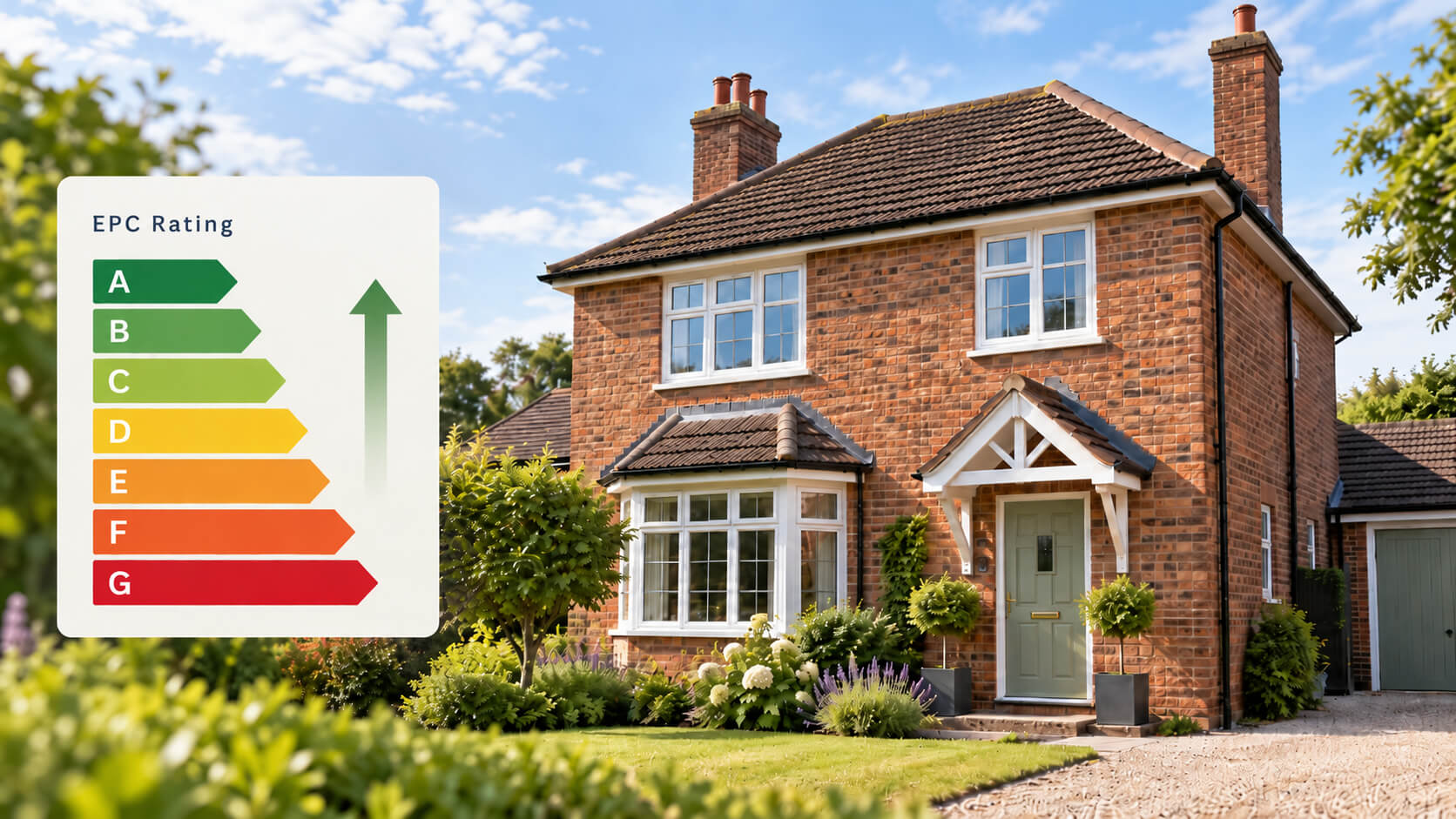
All you need to do is conduct an Energy Performance Certificate with a qualified Energy Assessor.
Learn everything about your property's EPC Rating and minimize your energy bills!
EPC Certificate Nationwide Service
- Flexible Hours; Book a time that suits you
- Same Day Bookings
- Pay us by Card, PayPal, Google Pay, Apple Pay or Pay on-site

Energy Assessors
Choose property type:



Recently booked jobs


Reliable & Affordable Professionals on one platform
Schedule a qualified Energy Assessor at a time convenient for you and receive your Energy Performance Certificate (EPC) within 1-3 business days. Find same or next day service and pay by card or on-site.
EPC Rating: Everything You Need to Know
An EPC rating (Energy Performance Certificate rating) shows how energy-efficient a property is, ranked from A (most efficient) to G (least efficient). In the UK, a valid EPC is legally required whenever a property is sold, rented, or newly built.
Beyond compliance, your EPC rating affects energy bills, property value, environmental impact, and whether you can legally let a property. Buyers and tenants increasingly use EPC ratings as a guide when making decisions.
In this guide, we explain what an EPC rating is, how it’s calculated, why it matters, and how you can improve it.
What Is an EPC Rating?
An EPC rating is a standardised way to measure and compare the energy efficiency of homes and commercial buildings.
- Scale: Properties are graded from A (excellent) to G (very poor).
- Average UK rating: Most homes fall around band D.
- Certificate content: Current rating, potential rating, and upgrade suggestions.
- Validity: Certificates last for 10 years.
Why Do You Need an EPC Rating?
- Legal requirement – Required when selling, renting, or building.
- Marketability – Higher ratings make properties more attractive.
- Compliance – Properties rated F or G cannot be rented (MEES regulations).
- Added value – Energy-efficient properties often sell faster and at better prices.
- Environmental benefit – Better ratings mean lower carbon emissions.
How Is an EPC Rating Calculated?
Accredited assessors inspect your property and use government-approved software. Factors include:
- Insulation and airtightness (walls, roof, floors, glazing)
- Heating, cooling and ventilation systems
- Lighting systems (LEDs, controls, sensors)
- Hot water systems
- Renewable technologies (solar, heat pumps)
- Property age, size and construction type
The EPC Rating Check Process
- Book an accredited assessor – Choose a qualified local professional.
- On-site inspection – Non-intrusive survey of insulation, heating, and glazing.
- Data analysis – Details are entered into official software.
- Report issued – You receive your EPC certificate and recommendations.
Most domestic EPC assessments take 30–60 minutes.
Benefits of Having an EPC Rating
- Lower energy bills
- Higher property value
- Improved comfort
- Reduced CO2 emissions
- Compliance with UK regulations
How to Improve Your EPC Rating
- Upgrade insulation (walls, lofts, floors)
- Install double/triple glazing
- Replace old boiler or HVAC with efficient models
- Switch to LED lighting and smart controls
- Consider renewable energy (solar panels, heat pumps)
- Keep records of upgrades for the assessor
EPC Costs and Validity
- Cost: Domestic EPCs usually cost £60–£120; commercial properties may cost more.
- Validity: Certificates last for 10 years but should be renewed after major upgrades.
Hire a Professional Assessor Today
Need an EPC rating check? With MyConstructor you can:
- Compare prices and reviews of certified assessors near you
- Book online quickly and securely
- Receive your EPC certificate and tailored advice
Find your local assessor today and ensure your property is compliant, efficient, and future-proof.

