


Emergency Light Testing Service
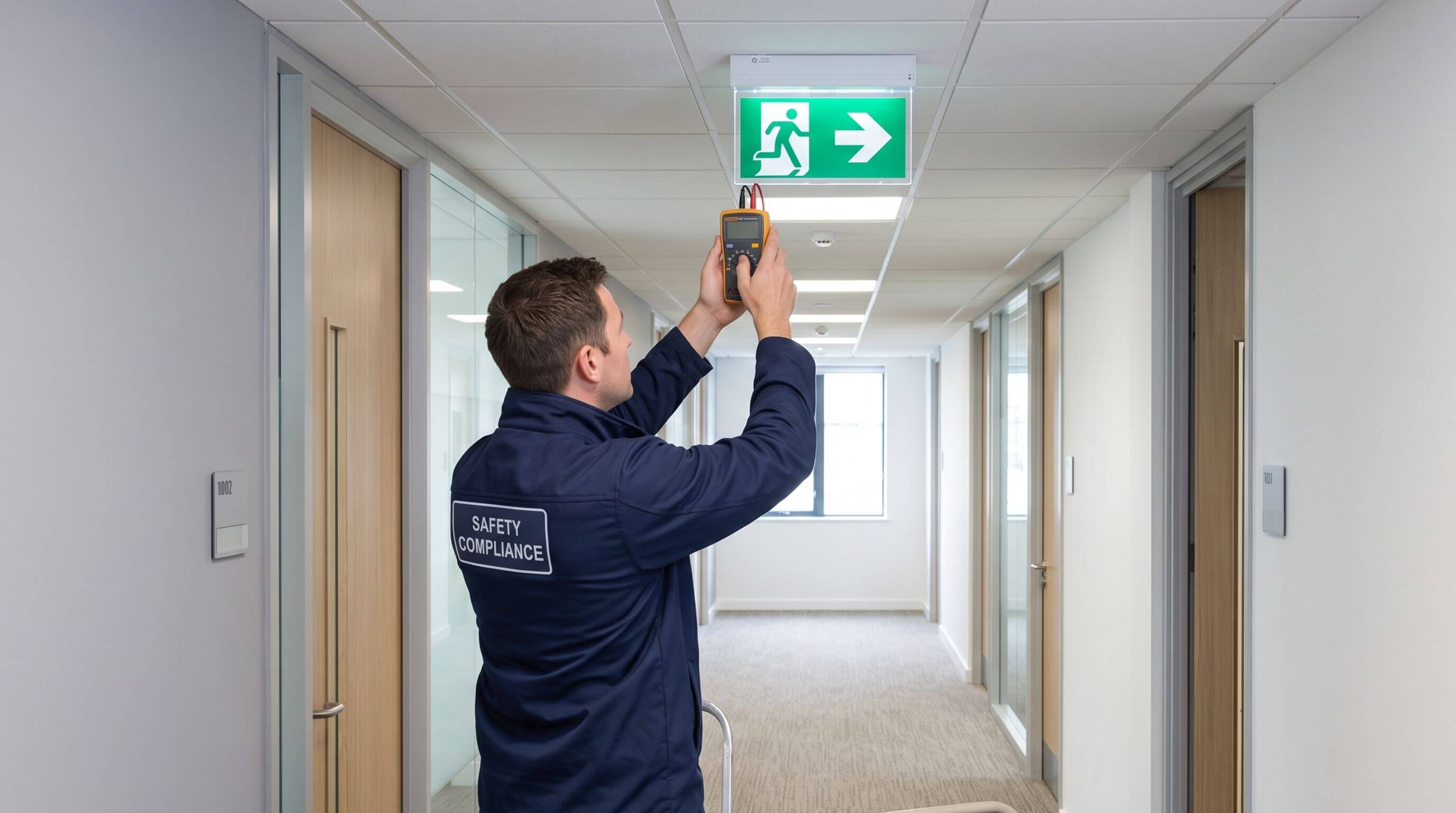
Book a professional emergency lighting testing service and help ensure your emergency lights are working correctly when they are needed most. Regular testing supports fire safety compliance, helps identify faults early and keeps your property safety records up to date.
Compare prices and reviews online with MyConstructor, choose a qualified professional, and book an appointment at a time that suits your schedule.
Book Emergency Light Testing Online
- Flexible appointment times to suit your schedule
- Same-day bookings available in selected areas
- Inspection and functional testing of emergency lights and illuminated exit signs
- Full-duration testing where required and included with the service
- Emergency lighting certificate or service report where included
- Suitable for commercial properties, HMOs and managed buildings
- Pay by card, PayPal, Google Pay, Apple Pay or on-site

Choose your service:



Recently booked jobs


Professional Emergency Lighting Testing
Professional emergency light testing helps confirm that emergency lights, illuminated exit signs and escape-route lighting operate correctly if the normal lighting supply fails. It is an important safety check for commercial properties, HMOs, communal areas and managed buildings.
An emergency lighting testing service may include visual inspection, functional testing, battery and charging checks, exit sign checks and a full-duration test where required. Where included with the service, you may also receive an emergency lighting certificate or service report.
Regular testing can help identify failed fittings, weak batteries, damaged signs, poor visibility and lights that do not operate for their rated duration.
Emergency lighting arrangements commonly include short monthly functional checks and a full rated-duration test at least annually, depending on the system installed, the fire risk assessment and the applicable testing requirements.
What Is Included in Emergency Lighting Testing?
The exact checks will depend on the building, the number and type of emergency light fittings installed, the system design and the scope of the booked service. A professional emergency light test will usually include a combination of visual inspection, functional testing and system reporting.
| Check | What It Means |
|---|---|
| Visual inspection | The professional checks the condition, position, visibility and accessibility of emergency lights and illuminated exit signs. |
| Functional test | The emergency lighting system is tested to confirm that relevant fittings activate when the normal lighting supply is interrupted. |
| Battery and charging checks | Battery condition, charging indicators and visible faults may be reviewed to identify fittings that may not operate for their intended rated duration. |
| Exit sign checks | Illuminated exit signs are checked to confirm that they are visible, correctly positioned and operating as expected. |
| Full-duration testing | Where required and included within the service, emergency lights may be tested for their full rated duration to assess battery performance and operating time. |
| Fault review | Failed fittings, damaged signs, weak batteries, charging faults and other visible issues may be identified and recorded. |
| Certificate or service report | Where included with the booked service, you may receive an emergency lighting certificate or service report showing the checks completed, results and recommended follow-up actions. |
Monthly Emergency Lighting Checks
Monthly emergency lighting checks are usually short functional tests designed to confirm that emergency lights and illuminated exit signs activate when the normal lighting supply is interrupted.
The test should last long enough to confirm that each relevant fitting illuminates correctly, without unnecessarily discharging the batteries. Any lights that fail to activate, damaged fittings, warning indicators or poorly illuminated exit signs should be recorded for follow-up action.
Monthly checks are sometimes referred to as flick tests because they simulate a brief interruption to the normal lighting supply.
Annual Emergency Lighting Test
An annual emergency lighting test is more detailed than a monthly functional check. It normally involves operating the emergency lights for their full rated duration to confirm that the fittings and batteries continue working for the intended period.
The correct test period should reflect the design and rated duration of the system installed. The test can help identify weak batteries, charging faults, failed lamps and fittings that do not remain illuminated for their intended operating time.
A full-duration test should be planned carefully because the batteries may require time to recharge afterwards. Testing may need to be arranged when the premises are less occupied or when suitable alternative safety arrangements are available.
BAFE guidance refers to functional operation checks at least monthly and a full rated-duration test at least annually. Further information is available in the BAFE emergency lighting system guidance .
3 Hour Emergency Lighting Test
A 3 hour emergency lighting test checks whether emergency lights designed with a three-hour rated duration can remain illuminated for that period. Where the installed system has a different rated duration, the full-duration test should reflect the system design and relevant requirements.
Full-duration testing can help identify weak batteries, failed fittings, charging faults and lights that do not remain illuminated for their intended operating time.
Emergency Lighting Inspection and Fault Checks
Emergency lighting inspection and fault checks can help identify visible damage, poor positioning, missing or damaged signs, battery issues, charging faults and lights that do not activate correctly.
Where an issue is identified, the professional may recommend battery replacement, fitting replacement, repair or further electrical investigation. Any observations and recommended follow-up actions may also be recorded in the certificate or service report where included.
Who Needs Emergency Light Testing?
Emergency light testing is commonly needed in buildings where occupants require clearly illuminated escape routes, exits and safety areas if the normal lighting supply fails.
Properties that may require emergency lighting testing include:
- Offices and workplaces
- Shops and retail units
- Restaurants, pubs and hospitality venues
- HMOs and communal residential areas
- Warehouses and industrial premises
- Schools, nurseries and public buildings
- Managed and multi-occupancy buildings
Landlords, employers, business owners, managing agents, facilities managers and other responsible persons may need to arrange testing as part of the property’s wider fire safety and evacuation arrangements.
When Should Emergency Lighting Be Tested?
Emergency lighting should be inspected and tested regularly to help confirm that the system remains operational and that faults are identified early. The appropriate schedule will depend on the property, system design, fire risk assessment and applicable guidance.
| Test Type | Typical Purpose | Common Frequency |
|---|---|---|
| Visual check | Checks for obvious damage, blocked fittings, missing signs or visible warning indicators. | Regularly as part of the property’s routine safety management. |
| Functional test | Confirms that emergency lights activate when the normal lighting supply is interrupted. | Commonly completed at least monthly. |
| Full-duration test | Checks whether the emergency lights remain illuminated for their intended rated duration. | Commonly completed at least annually. |
| Post-repair test | Confirms that repaired or replaced fittings operate correctly. | After relevant repairs, replacement or electrical work. |
Any failed fittings, weak batteries, charging faults or damaged signs identified during testing should be recorded and reviewed for appropriate follow-up action.
Emergency Lighting Certificate and Testing Records
Where included with the booked service, you may receive an emergency lighting certificate or service report after the inspection. The document provides a record of the emergency lighting checks completed at the property.
This can help landlords, business owners, facilities managers and responsible persons maintain clear fire safety records. The certificate or report may also record failed fittings, battery issues, observations and recommended follow-up actions.
Emergency lighting testing also does not replace a fire risk assessment , system commissioning documentation or any additional inspection and maintenance requirements that may apply.
What Does an Emergency Lighting Certificate Show?
An emergency lighting certificate or service report documents the inspection and testing completed during the appointment. It can support your fire safety records and help you track faults, repairs and future testing requirements.
The exact information recorded will depend on the system installed, the type of test completed and the scope of the booked service.
An emergency lighting report may include:
- Property details: The address and relevant information about the premises tested.
- Test date: The date on which the emergency light testing was completed.
- Test type: Whether a visual inspection, short functional test, full-duration test or another check was completed.
- Fittings and areas checked: A summary of the emergency lights, illuminated exit signs or relevant areas included in the inspection.
- Test results: A record of whether the emergency lights tested activated and operated for the appropriate period.
- Faults and observations: Details of failed fittings, weak batteries, charging faults, damaged signs or other issues identified.
- Recommended follow-up actions: Advice on repairs, battery replacement, fitting replacement or further electrical investigation where required.
- Professional details: Information about the professional or company that completed the test.
Emergency Light Testing Cost
The cost of emergency light testing can vary depending on the size and complexity of the property, the number of emergency lights installed and the type of test required.
A short functional check will usually take less time than a full-duration test. Larger or multi-storey premises with numerous fittings, exit signs and restricted areas may require a longer appointment.
Common factors that may affect the cost include:
- Number of lights: Properties with more emergency light fittings and illuminated exit signs will usually take longer to inspect and test.
- Property size: Larger, multi-storey or more complex buildings may require additional inspection time.
- Test type: A full rated-duration test will usually take longer than a short functional test.
- System condition: Failed fittings, weak batteries or charging faults may require further investigation.
- Accessibility: Lights in restricted, locked or difficult-to-reach areas may increase the time required.
- Location and availability: Prices may vary depending on the property location and the availability of suitable professionals.
- Appointment urgency: Same-day or short-notice bookings may affect availability and price.
Common emergency lighting faults
Regular emergency light testing can help identify problems before they become more serious.
- Lights not activating: Emergency lights may fail to switch on during a simulated power failure.
- Weak batteries: Lights may activate but fail before the required duration has passed.
- Damaged fittings: Broken covers, loose units or damaged signs can reduce effectiveness.
- Poor visibility: Exit signs or emergency lights may be blocked, dirty or poorly positioned.
- Charging faults: Some units may not recharge correctly after testing or use.
Preparing for an emergency lighting test
Preparing the property before the appointment can help the emergency lighting testing service run smoothly and reduce delays.
- Provide access: Make sure the electrician can reach emergency lights, exit signs and test points.
- Notify occupants: Let staff, tenants or residents know that testing may take place.
- Prepare records: Have previous emergency lighting certificates, reports or logbooks available if possible.
- Identify known faults: Mention any lights that flicker, fail to charge or appear damaged.
- Allow enough time: A full-duration test can take longer than a short functional test.
Book Emergency Light Testing Online
Booking a professional emergency light testing service through MyConstructor is quick and straightforward. Compare available professionals, prices and customer reviews, choose a convenient appointment time and book online in minutes.
Our platform helps you arrange emergency lighting testing without contacting multiple providers individually. This gives you more choice and helps you keep your emergency lighting checks and records organised.
If your property has a fire alarm control panel, connected detectors, manual call points or sounders, you may also need a separate fire alarm testing and certificate service . This helps ensure that the wider fire detection and alarm system is inspected and recorded separately.
For standalone, mains-powered, hard-wired or interlinked domestic smoke alarms, book our separate smoke alarm testing service .
Book your emergency light test online today and help keep your emergency lighting checks and safety records up to date.
Frequently Asked Questions


Emergency lighting may be required where escape routes and exits need artificial illumination to allow occupants to leave safely if the normal lighting supply fails.
The system should be regularly inspected, tested and recorded as part of the property’s wider fire safety arrangements. The exact requirements depend on the premises, emergency lighting system, fire risk assessment and applicable guidance.
Emergency lights are commonly checked with a short functional test at least monthly to confirm that they activate when the normal lighting supply is interrupted.
A full rated-duration test is commonly completed at least annually. The appropriate schedule may depend on the system design, property, fire risk assessment and fire safety arrangements in place.
Basic visual checks and short functional tests may be completed by a responsible person who understands the system and can record the results correctly.
A professional emergency light testing service may be more appropriate for full-duration testing, detailed inspection, fault identification and formal reporting, particularly in commercial premises, HMOs and managed buildings.
If an emergency light fails during testing, the professional may record the failed fitting, weak battery, charging fault, damaged exit sign or other issue identified.
Depending on the fault, the recommended follow-up action may include battery replacement, fitting replacement, repair or further electrical investigation. Where included with the service, the issue and any recommendations may also be recorded in the emergency lighting certificate or service report.
Where included with the booked service, you may receive an emergency lighting certificate or service report after the appointment.
The document may record the type of test completed, fittings checked, test results, faults identified and recommended follow-up actions. It can support your fire safety records but does not replace a fire risk assessment or wider fire safety responsibilities.