


Commercial EPC
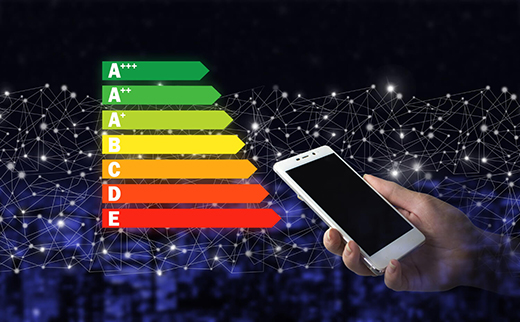
Commercial Energy Performance Certificate
- Flexible hours, book a time that suits you
- Same day bookings
- Pay us by Card, PayPal, Google Pay, Apple Pay or Pay on-site

Choose property type:



Recently booked jobs


A Comprehensive Guide To The Commercial EPC
For commercial property owners and managers, an Energy Performance Certificate (EPC) is an essential document that demonstrates how energy-efficient a building is. A valid Commercial EPC is legally required whenever a property is sold, leased, or newly constructed, and it must be clearly displayed within the premises. The certificate remains valid for ten years, but maintaining strong energy performance is an ongoing responsibility for the business owner.
What Is A Commercial EPC?
The Commercial EPC is a document that assesses the energy performance of a commercial building. The assessment is carried out by a qualified assessor and results in a report which includes recommendations for improving the energy efficiency of the building. The report also provides an energy performance certificate (EPC) which gives the building a rating from A to G, with A being the most energy efficient.
What Are The Components Of A Commercial EPC?
A commercial EPC (energy performance certificate) is required whenever a commercial property is built, sold, or leased. It assesses the energy performance of the property and provides recommendations on how to improve it. The certificate must be prepared by a qualified assessor and is valid for ten years.
The certificate contains three main components:
- An asset rating: This rates the property on a scale of A (very efficient) to G (inefficient).
- An operational rating: This rates the property on a scale of 1-10 (1 being very inefficient and ten being very efficient).
- Recommendations: These are suggestions on how to improve the energy performance of the property.
The Commercial EPC Process
An EPC, or Energy Performance Certificate, is a document that details the energy efficiency of a commercial building. The certificate is required by law for any new commercial buildings in the UK and must be obtained before construction can begin.
The commercial EPC process begins with an assessor visiting the site and assessing the building's potential for energy efficiency. They will then produce a report that details their findings and recommendations. This report will be used to create the final EPC, which will be issued to the building owner once construction is complete.
The certificate itself contains two main sections: an asset rating and an operational rating. The asset rating gives an overview of the building's potential for energy efficiency, while the operational rating details how well the building is currently performing. Both ratings are based on a scale of A (very efficient) to G (inefficient).
The commercial EPC process may seem like a lot of work, but it's necessary in order to ensure that new buildings are as energy-efficient as possible. By following the assessor's recommendations and investing in energy-saving measures, you can help to reduce your carbon footprint and save money on running costs in the long term.
Who Should Use Commercial EPC?
If you are a commercial property owner or manager, you should get a Commercial EPC. This will give you an idea of how energy efficient your property is and what improvements can be made to make it more energy efficient. A Commercial EPC can also be required if you are selling or leasing your property.
The Role Of A Commercial EPC Assessor
A Commercial EPC Assessor is a qualified professional who carries out the inspection of your building in order to issue the Energy Performance Certificate. Beyond simply producing the certificate, the assessor evaluates how your building consumes energy, compares its performance against similar properties, and provides clear recommendations for improvement. Their role is critical because they act as an independent, objective third party who ensures your property is assessed according to national standards. By hiring a certified assessor, you gain expert insights into where your building is wasting energy, how you can cut costs, and how you can make your property more sustainable.
How To Prepare For A Commercial EPC Assessment – 7 Practical Tips
Getting the most out of your EPC assessment requires some preparation. Below are seven practical steps to consider:
- Understand the purpose: Know that an EPC is both a technical and environmental performance review, highlighting opportunities to save energy and reduce carbon emissions.
- Consider the types of assessments needed: Depending on your building, the assessor may review lighting, heating and cooling systems, water usage, insulation, or the overall envelope of the property.
- Request a preliminary assessment: An initial review by an experienced assessor can give you an early picture of potential savings and required improvements.
- Gather your data: Collect all relevant documents, such as previous energy bills, maintenance records, and any reports on sustainability measures.
- Inspect electrical systems:The assessor will evaluate your electrical infrastructure for inefficiencies and recommend possible upgrades.
- Evaluate insulation and thermal performance: Poor insulation is one of the biggest causes of energy waste, so be ready for recommendations about thermal improvements.
- Review environmental performance: Finally, the assessment will also consider your business’s wider environmental impact, helping you align with best practices and potential regulatory requirements.
Additional Benefits of Working With an EPC Assessor
While the core benefits of an EPC include lower energy bills, higher property value, and reduced carbon footprint, working directly with an assessor offers further advantages:
Benefits Of Commercial EPC
- Reduced Energy Consumption and Costs – the number one benefit of having an EPC is that it will help you to cut down on your energy consumption and costs. The ratio of CO2 emissions to energy consumption is reduced, meaning you are harming the environment less.
- Improved Building Value – whether you are selling your commercial property or renting it out, having a good EPC rating can add value to your property. It can also improve its chances of selling/renting quickly and for a higher price.
- Better Occupant Comfort – lower energy consumption means that there is likely to be a smaller carbon footprint, which in turn means the building will be 'greener'. This will improve the comfort levels of occupants and staff members alike.
- Improved Asset Performance – when your business has an EPC certificate in place, it can show just how well the building performs in terms of energy efficiency. This can be used as part of asset performance reporting, which can help with compliance standards.
Hire A Professional Today!
We hope you have found this guide to the commercial EPC helpful. If you are thinking of having a commercial EPC carried out, we would recommend getting in touch with a professional company to get an accurate estimate. Remember, the cost of a commercial EPC will vary depending on the size and type of property, so it is important to get several quotes before making a decision.

